Standard home inspections miss the plumbing questions that matter most
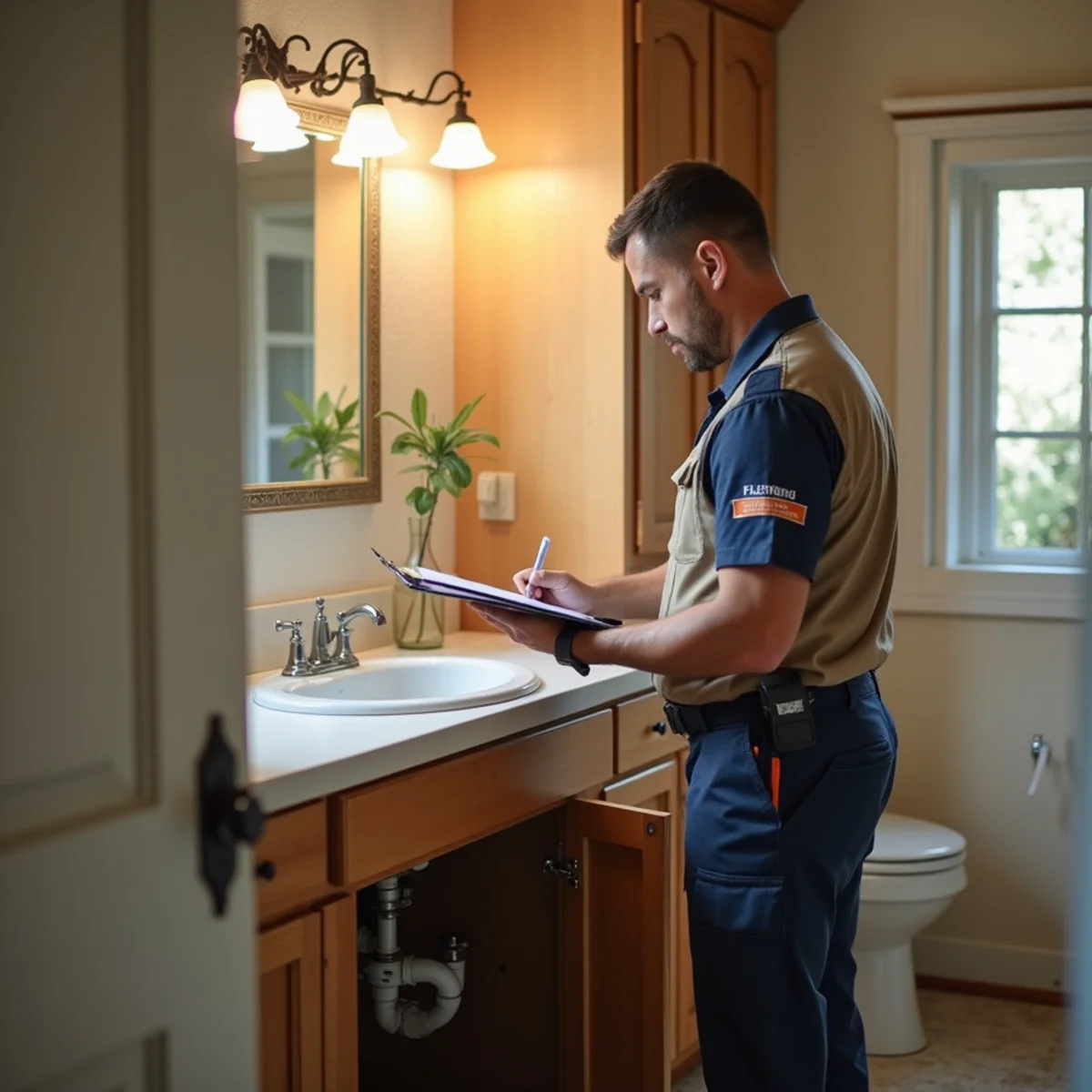
A general home inspector looks under sinks, checks fixture operation, notes visible pipe material, and moves on. What they do not typically do — and what you need before you close on an older National City or greater San Diego home — is:
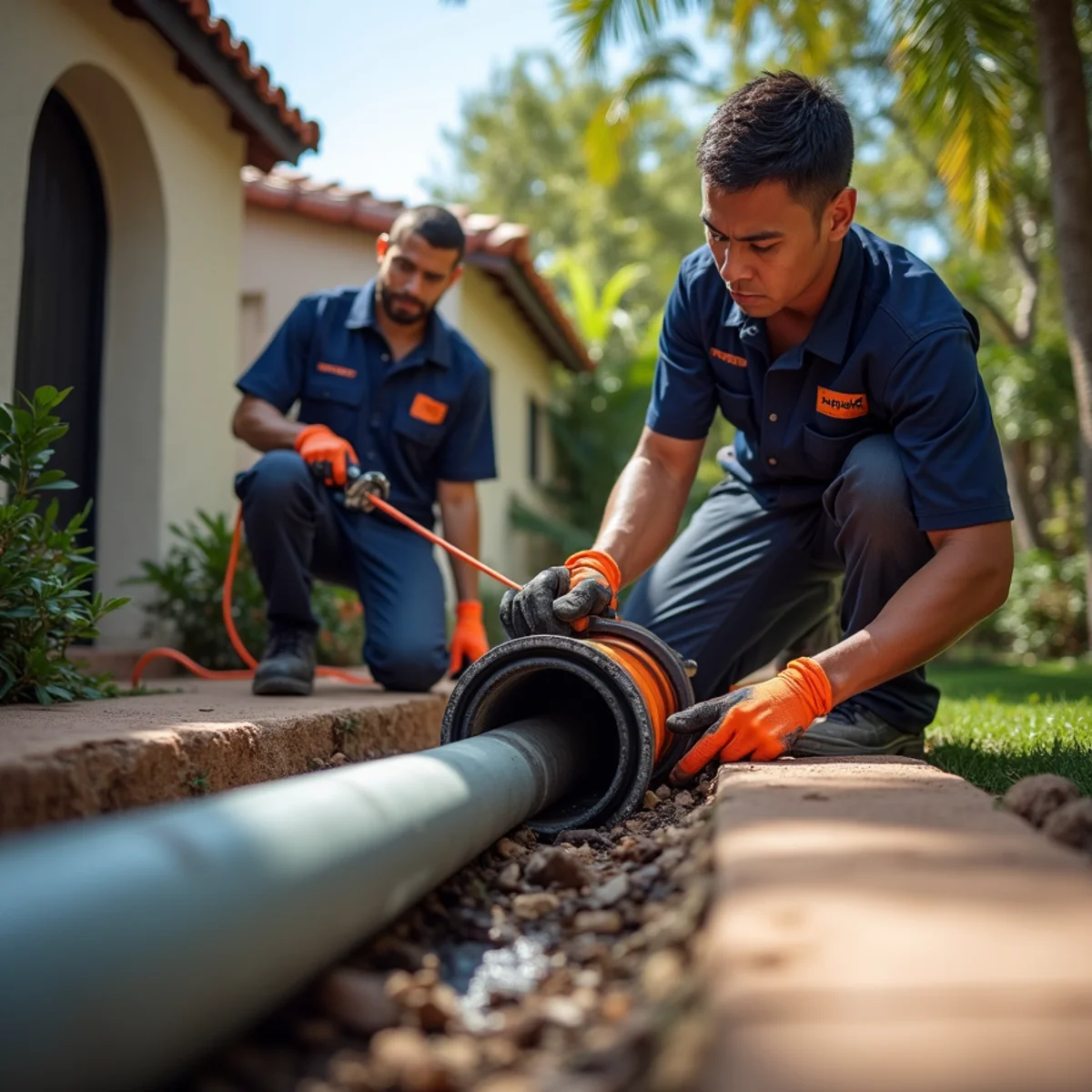
- Push a camera through the sewer lateral to confirm pipe material and condition
- Read water pressure with a gauge under load
- Isolate hot vs. cold pressure separately
- Meter-test for hidden leaks
- Age-verify the water heater and check for code deficiencies
This post is the checklist to hand your agent, your inspector, or the plumber you hire for a separate inspection. Total cost for the plumbing-specific portion: typically $400–$650. Compared to a $10,000+ surprise repair, cheap.
The checklist
1. Sewer lateral camera inspection (non-negotiable on pre-1980 homes)
What: camera pushed through the house cleanout all the way to the city main tap.
What you learn:
- Pipe material (clay, cast iron, Orangeburg, PVC)
- Presence of root intrusion
- Joint offsets and bellies
- Any collapsed sections
Why it matters: a failing lateral is a $8,000–$18,000 replacement. Discovering it before closing gives you negotiating leverage or lets you walk away.
Cost: $150–$350 for a standalone inspection, or included with our repair estimate.
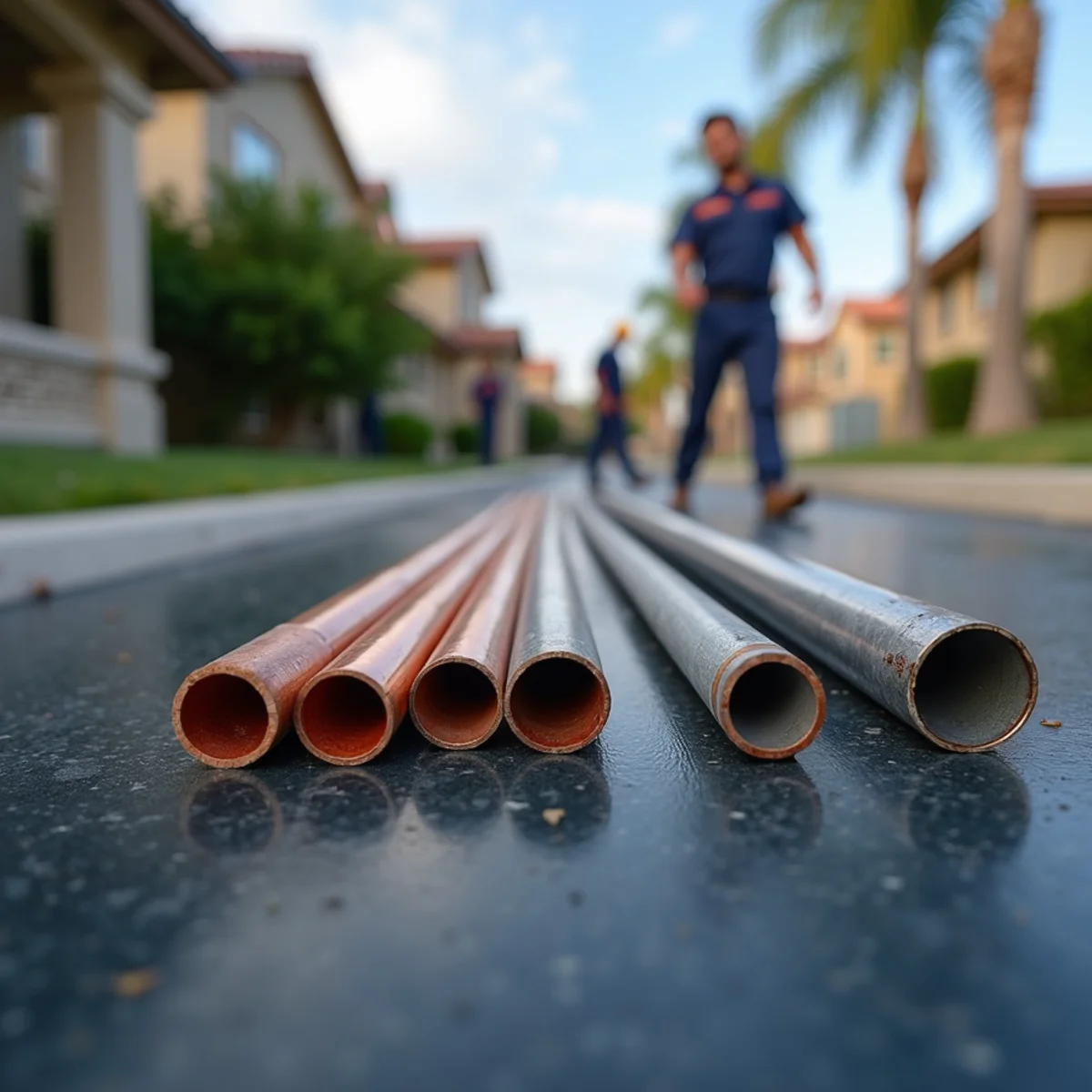
2. Water supply pipe material verification
What: identify what the supply pipes are made of at the meter, at the water heater, and at 2–3 fixture connections.
What you learn:
- Galvanized steel (pre-1970 usually — expect failure)
- Copper Type L or M (varies by age)
- PEX or CPVC (modern, generally fine)
- Any mixed materials (common on partially repiped homes)
Why it matters: galvanized supply in a pre-1970 home means a whole-house repipe is on your timeline — budget $8K–$15K.
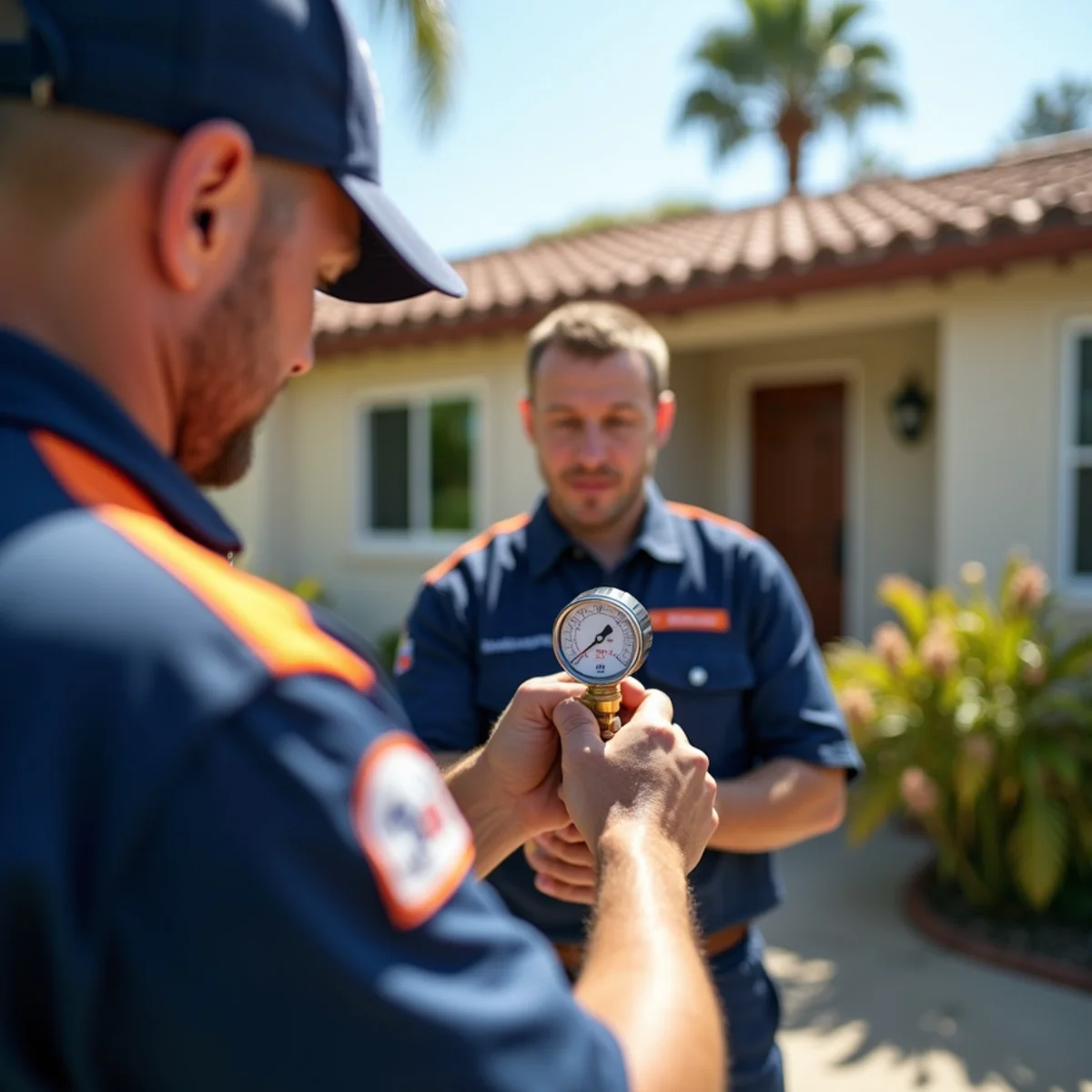
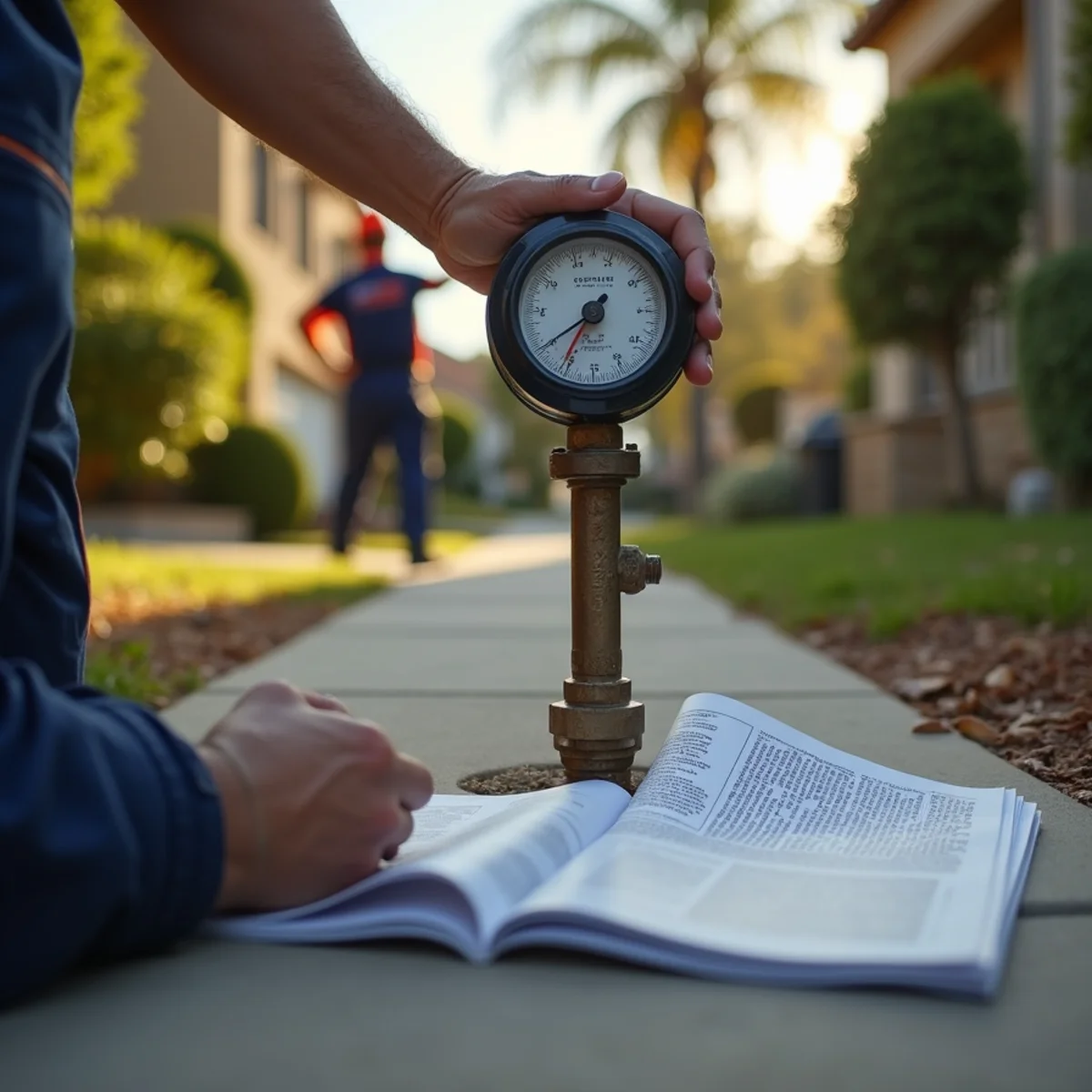
3. Pressure test at a hose bib
What: attach a pressure gauge to an exterior hose bib and read static pressure with no fixtures running.
What you learn:
- Normal: 55–75 PSI
- Low (under 45 PSI): failed pressure regulator, corroded supply pipe, or utility side issue
- High (over 85 PSI): failed or missing pressure regulator — will damage fixtures and water heater over time
Why it matters: high pressure accelerates every plumbing failure. A missing or dead PRV is a $350–$650 fix but the damage from years of high pressure is priced in the fixtures and appliances.
4. Water meter leak test
What: shut every fixture and appliance; watch the meter for 10 minutes.
What you learn: whether there is a hidden leak somewhere on the property (slab, wall, or yard side of the meter).
Why it matters: an undisclosed slab leak is a $1,200–$2,200 repair minimum. Some sellers know and hope you don't check.
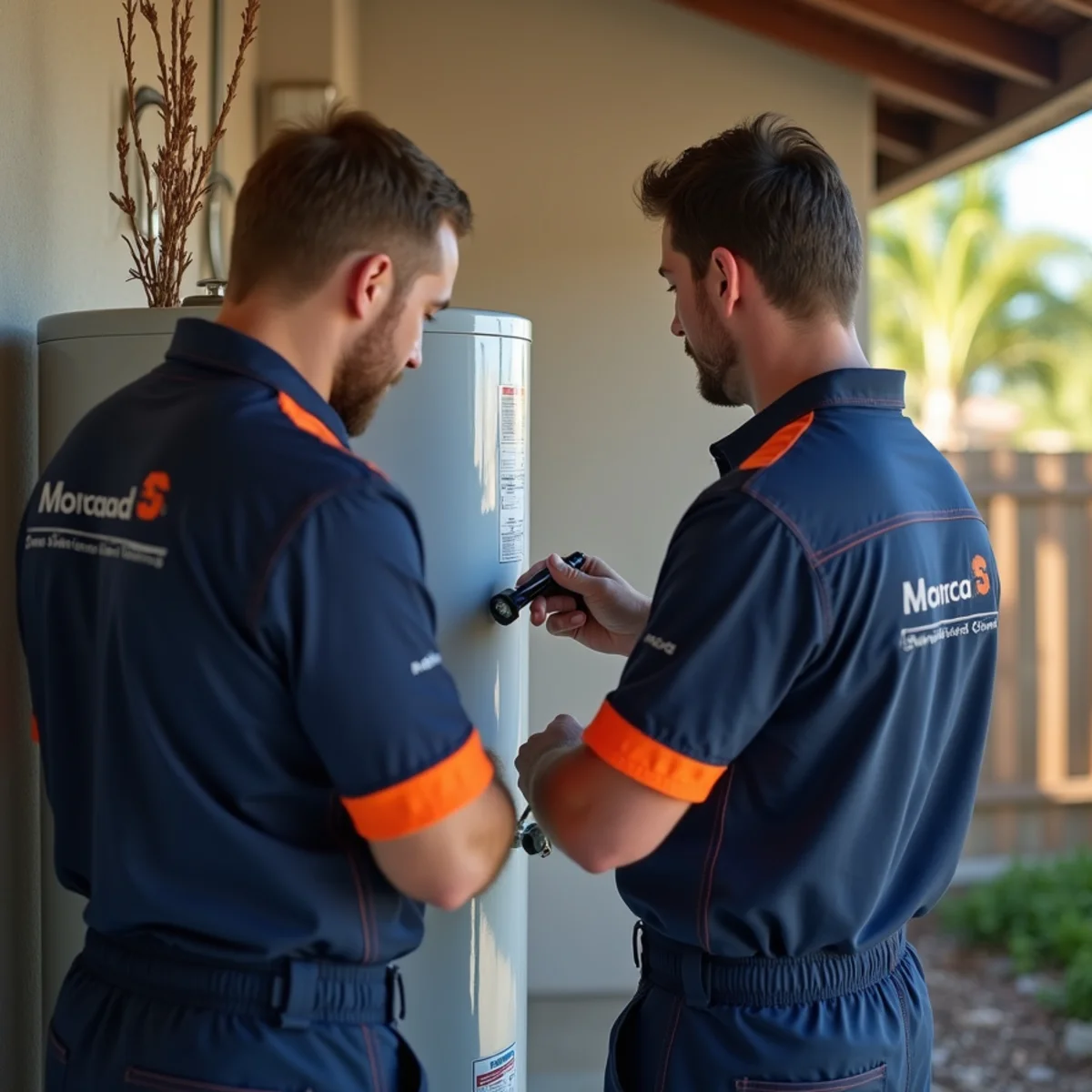
5. Water heater age and condition
What: read the serial number date code, check for expansion tank, seismic straps, drain pan, sediment trap, dielectric unions.
What you learn:
- Age (typical serial number decoding varies by manufacturer)
- Code compliance (or lack thereof)
- Estimated remaining life
Why it matters: a 12-year-old tank is about to fail. Missing code items on the install may complicate insurance claims later. Budget $2,000–$2,700 for a replacement in the first year of ownership if the tank is over 10 years.
6. Slab leak check on slab-built homes
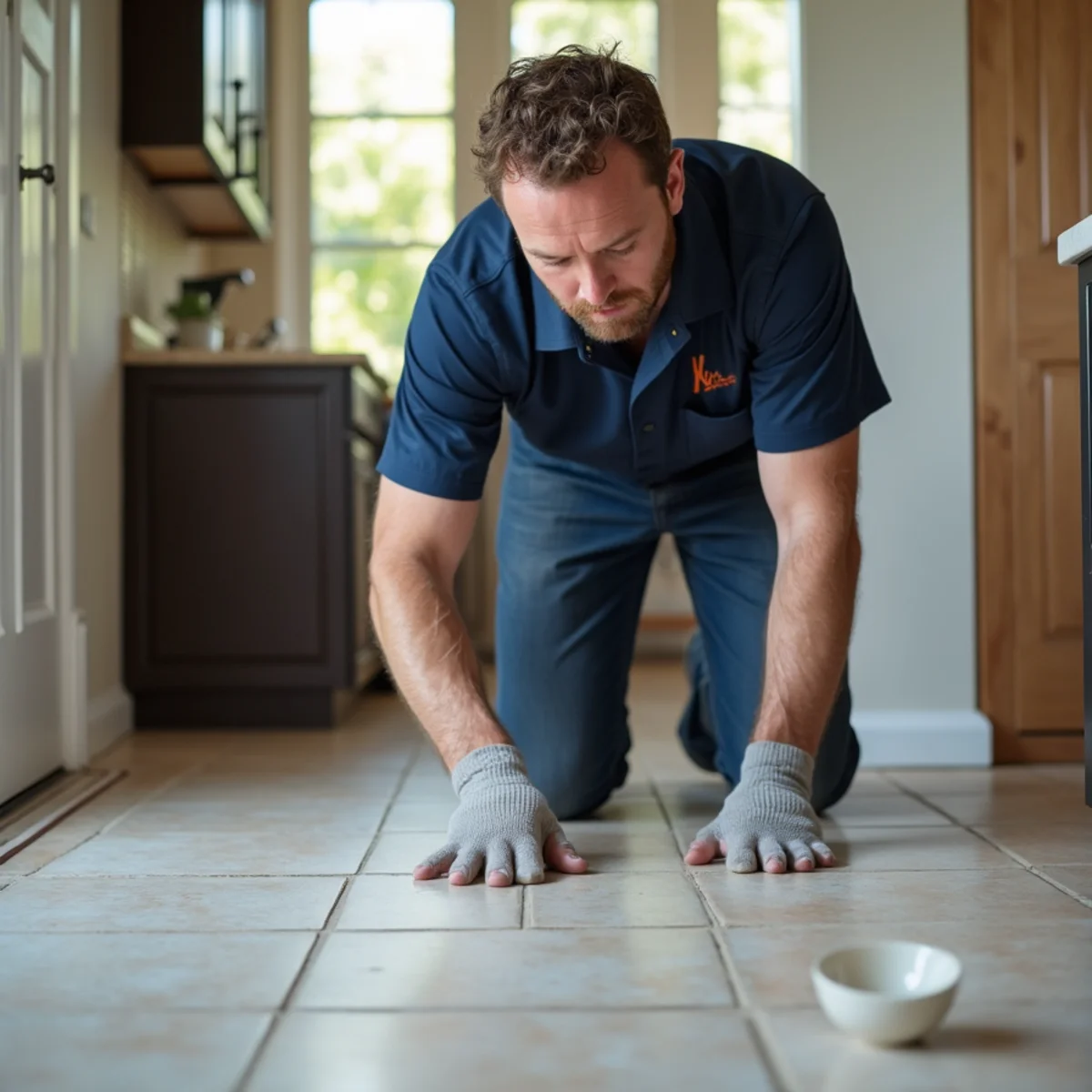
What: walk the whole floor in socks feeling for warm patches. Check under carpets in bedrooms. Listen at floor level in each room.
What you learn: whether the home has an active or recent slab leak.
Why it matters: slab leaks in Spring Valley, Lemon Grove, and other postwar tract housing are common — one detected before closing is a real credit at negotiation.
7. Fixture and shutoff test
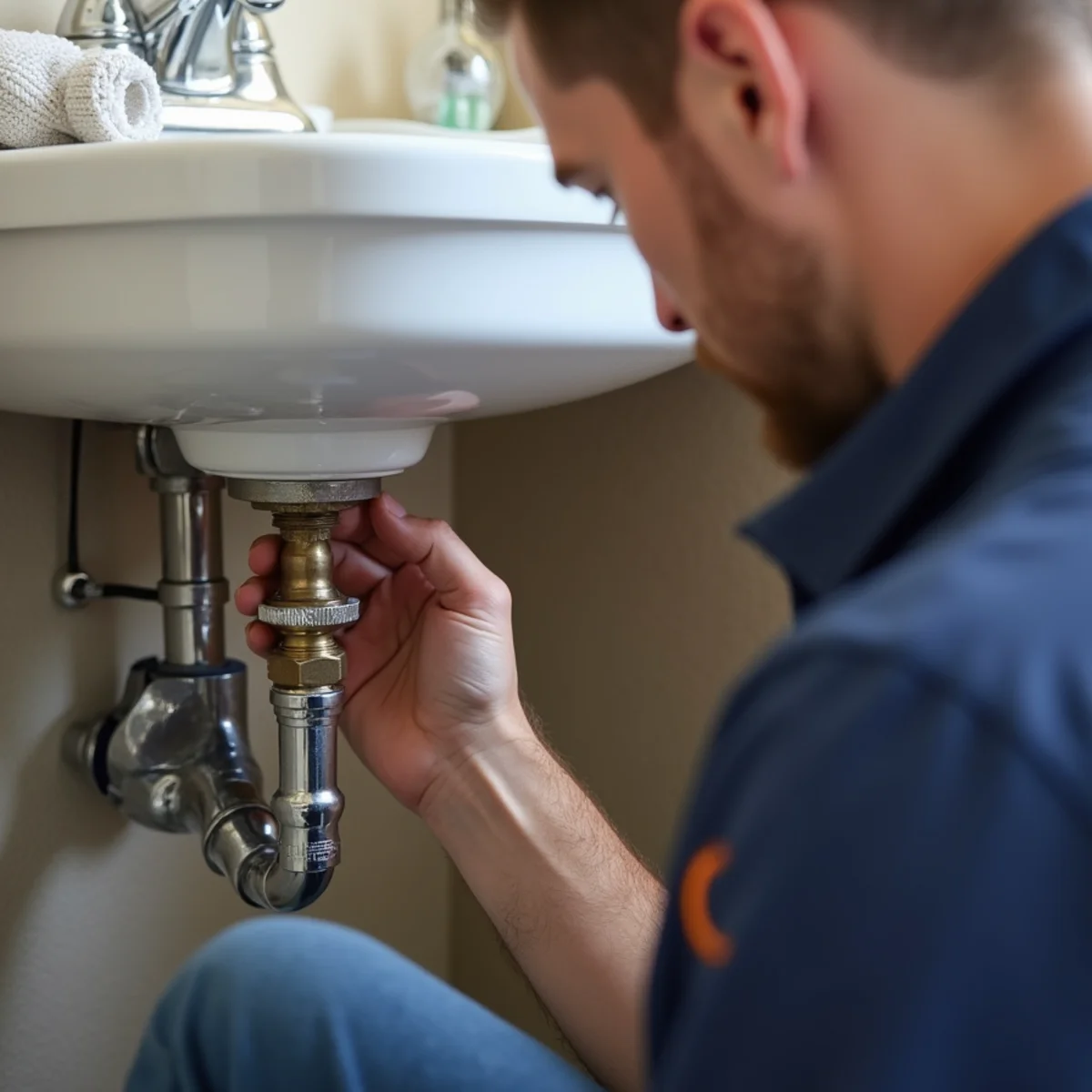
What: run every fixture. Test every shutoff valve to see if it closes.
What you learn: which shutoffs are seized (typical on 20+ year old angle stops), which fixtures leak, which have low flow.
Why it matters: replacing a whole house worth of angle stops is $700–$1,500. Priced into your offer.
8. Drain flow test
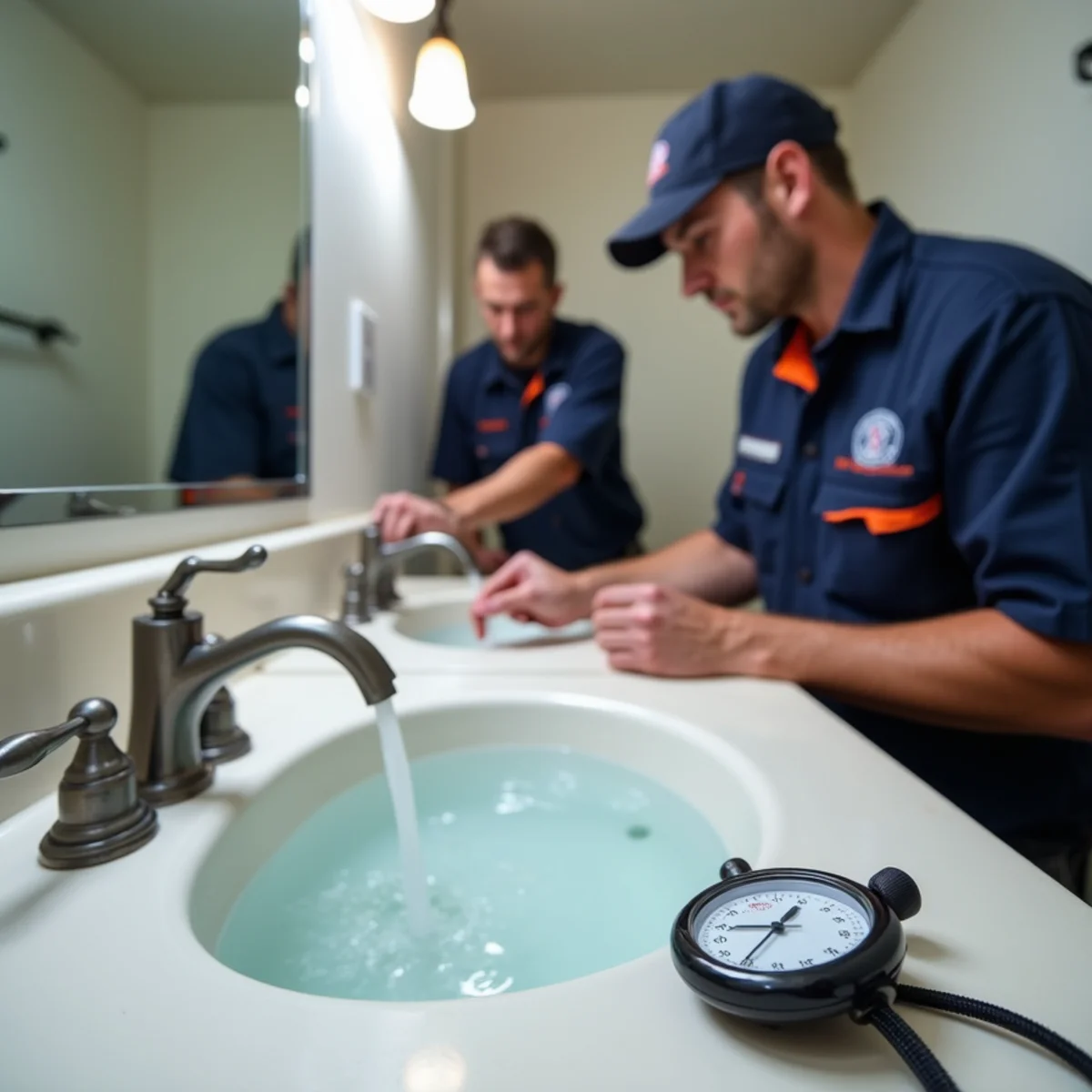
What: run each drain with a full sink or tub of water; time how long it takes to drain.
What you learn: which drains are partially blocked (a warning sign of aging cast iron — see our cast-iron drain post).
Why it matters: slow drains on an older home usually mean the drain system is scaling and will need attention within 5 years.
9. Visible gas line inspection
What: examine visible gas piping at appliances (stove, water heater, dryer, furnace, exterior lines to pool heaters or ADUs) for corrosion and proper connections.
What you learn: whether gas work has been done to code recently or if there are visible failure risks.
Why it matters: gas leaks are life-safety issues and improper connections are common on older homes.
10. Ask for maintenance and permit history
What: request from seller: recent plumbing work invoices, water heater install permit, sewer work permits, any repipe history.
What you learn: what has already been done and what has not.
Why it matters: unpermitted plumbing work is a disclosure item in California and complicates insurance claims. Verified permitted work is a positive.
How to use the checklist
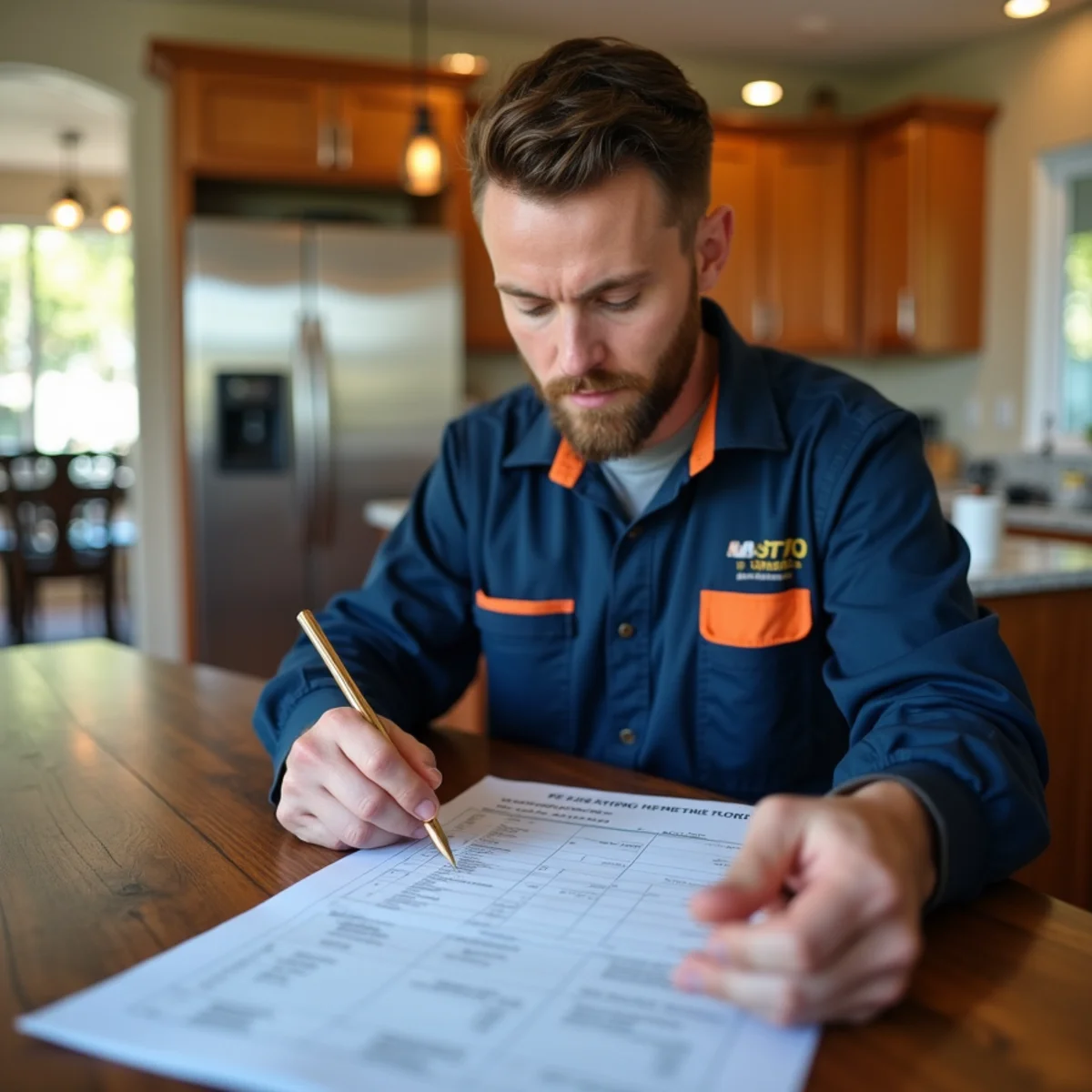
Get a standalone plumbing inspection separate from your general home inspection. Budget $400–$650. Have the plumber deliver a written report with photos and camera footage.
Use it to:
- Renegotiate price if issues surface
- Request specific repairs before closing
- Walk away if the total is beyond your comfort zone
- Plan the first year of ownership budget
We do buyer inspections regularly. Call (831) 290-4327 to schedule one.
More on sewer line repair, whole-house repiping, and leak detection.