The one-hour annual checklist that pays back the most
Older South Bay homes (pre-1980) generate more plumbing emergency calls per home per year than newer housing. Most of those calls could have been prevented with maintenance that took an hour a year.
Here is the exact checklist we recommend. Do it once a year in September — before winter storms — and again in April if you can.
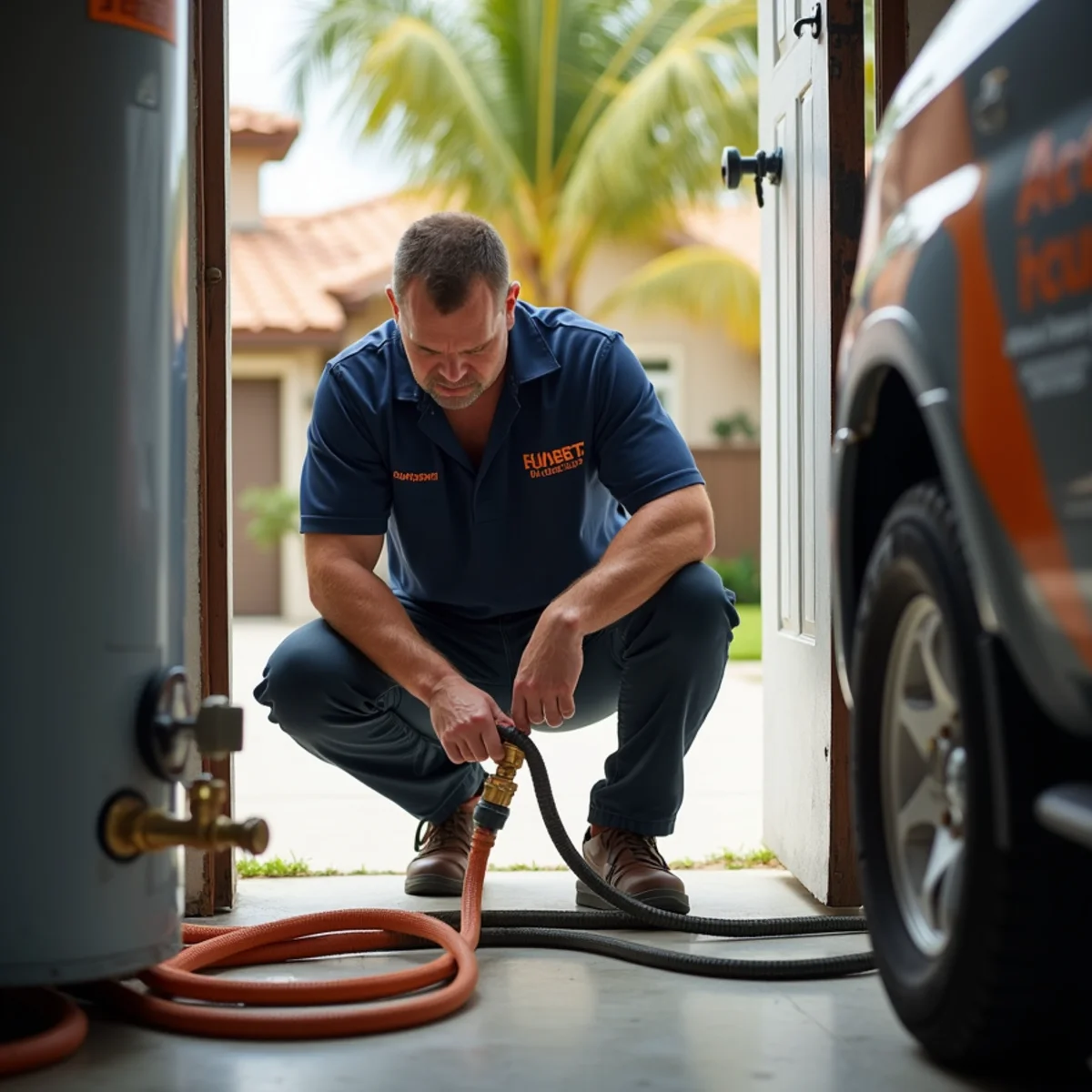
1. Water heater flush (15–20 minutes)
What to do:
- Turn gas control to "Pilot" or shut off electric breaker
- Close the cold-water inlet valve at the top of the tank
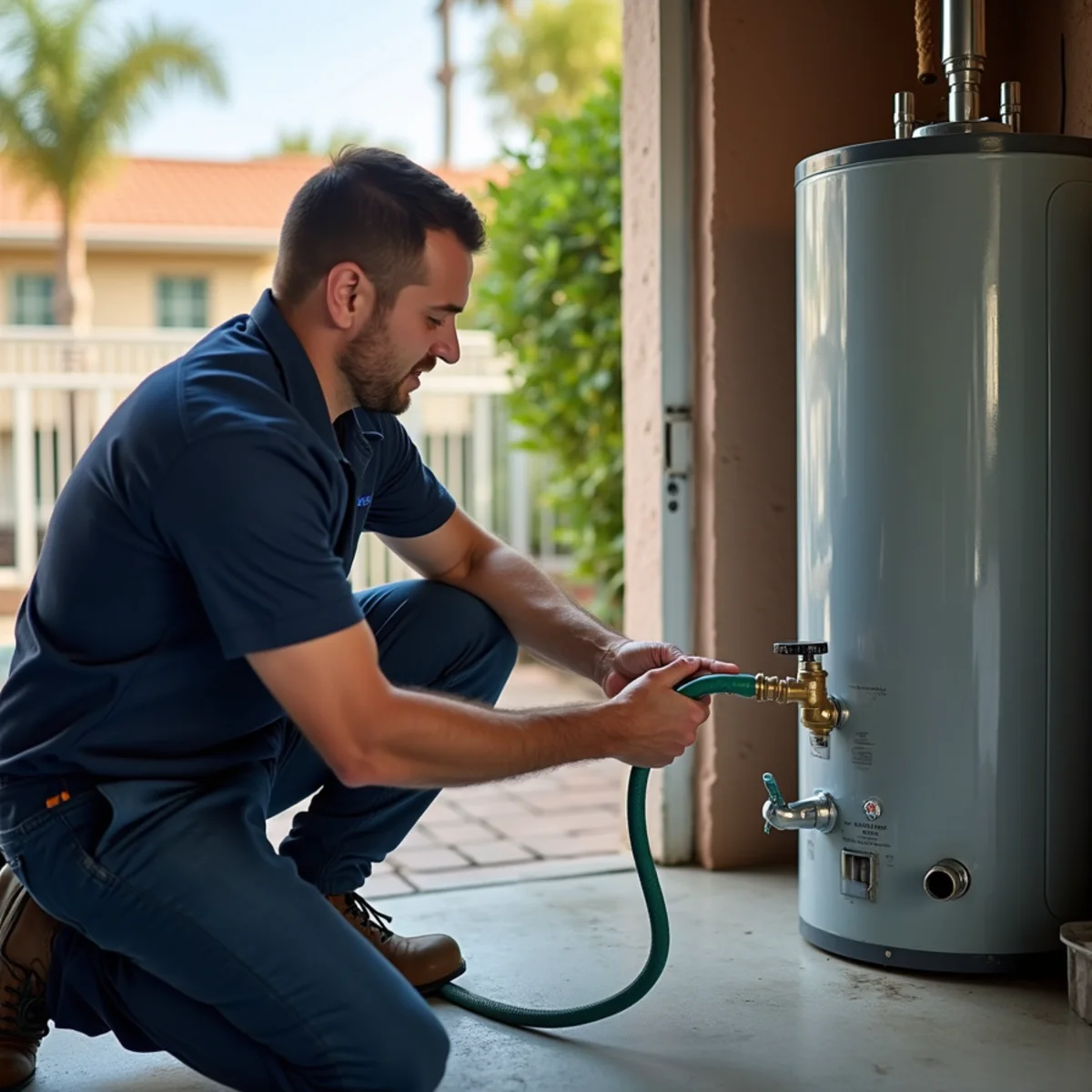
- Connect a garden hose to the drain valve at the bottom of the tank
- Route hose to a driveway or floor drain
- Open the drain valve and let 3–5 gallons drain
- Also open the TPR valve on top briefly to break vacuum
- Close drain valve, remove hose, reopen cold inlet, restore gas or power
Why: removes accumulated sediment before it insulates the burner or element.
How much this buys: 2–5 years of additional water heater life on Sweetwater's hard water. See our water heater cost post for what that translates to in dollars.
2. Test the main shutoff valve (2 minutes)
What to do:
- Locate the main shutoff (usually near the front of the house or at the curb)
- Close it fully, then reopen fully
- If it will not turn, or turns very stiffly, note it for replacement
Why: a seized main shutoff means you cannot stop water in an emergency. Discovering that during an actual burst is the wrong time.
3. Test every fixture shutoff (15 minutes for a whole house)
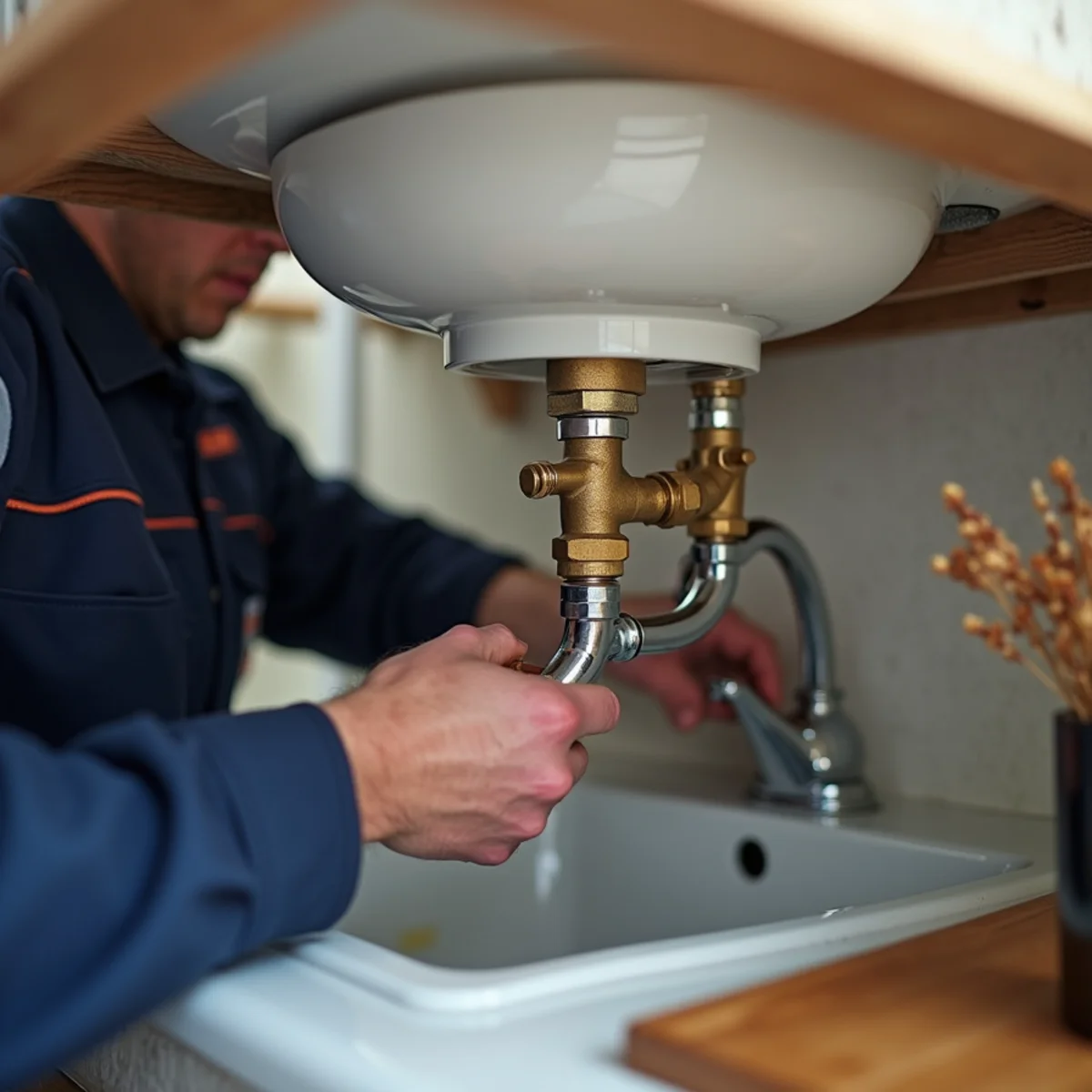
What to do: under each sink, behind each toilet, at the water heater — close and reopen every shutoff valve. Note any that are seized or leaky.
Why: working shutoffs limit damage from any single-fixture failure to just that fixture. Seized shutoffs turn a $50 supply-line failure into a whole-house shutoff and a service call.
Common fix if valves are seized: quarter-turn ball valve replacement, $85–$125 each installed. Priority replace: kitchen sink, laundry, and each bathroom.
4. Descale aerators and shower heads (10 minutes per fixture)
What to do:
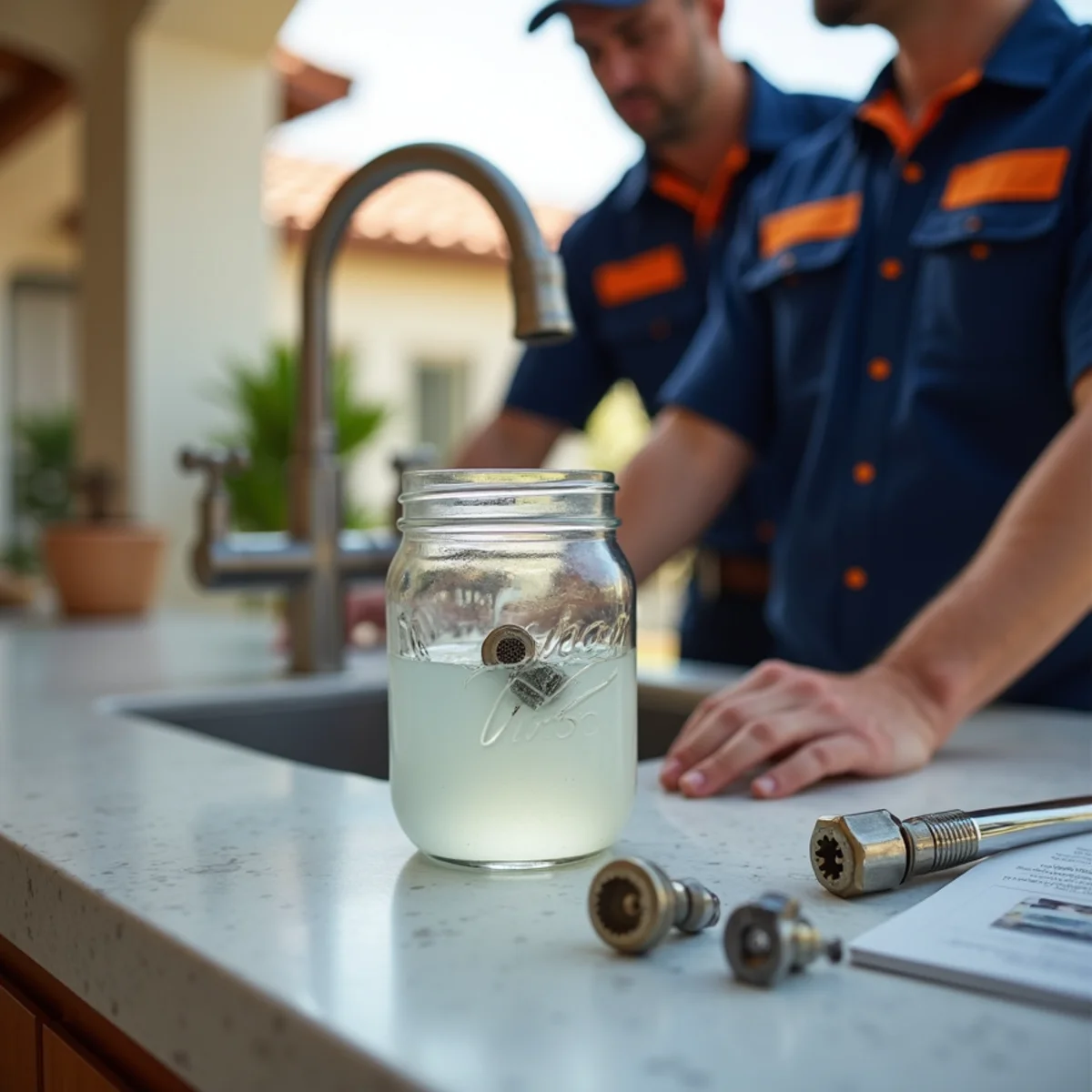
- Unscrew each faucet aerator
- Soak in white vinegar for 30–60 minutes
- Brush the mesh with an old toothbrush
- Reinstall
- Same for shower heads (unscrew from arm, soak, reinstall)
Why: Sweetwater's hardness clogs aerators fast. Descaling restores flow without replacement.
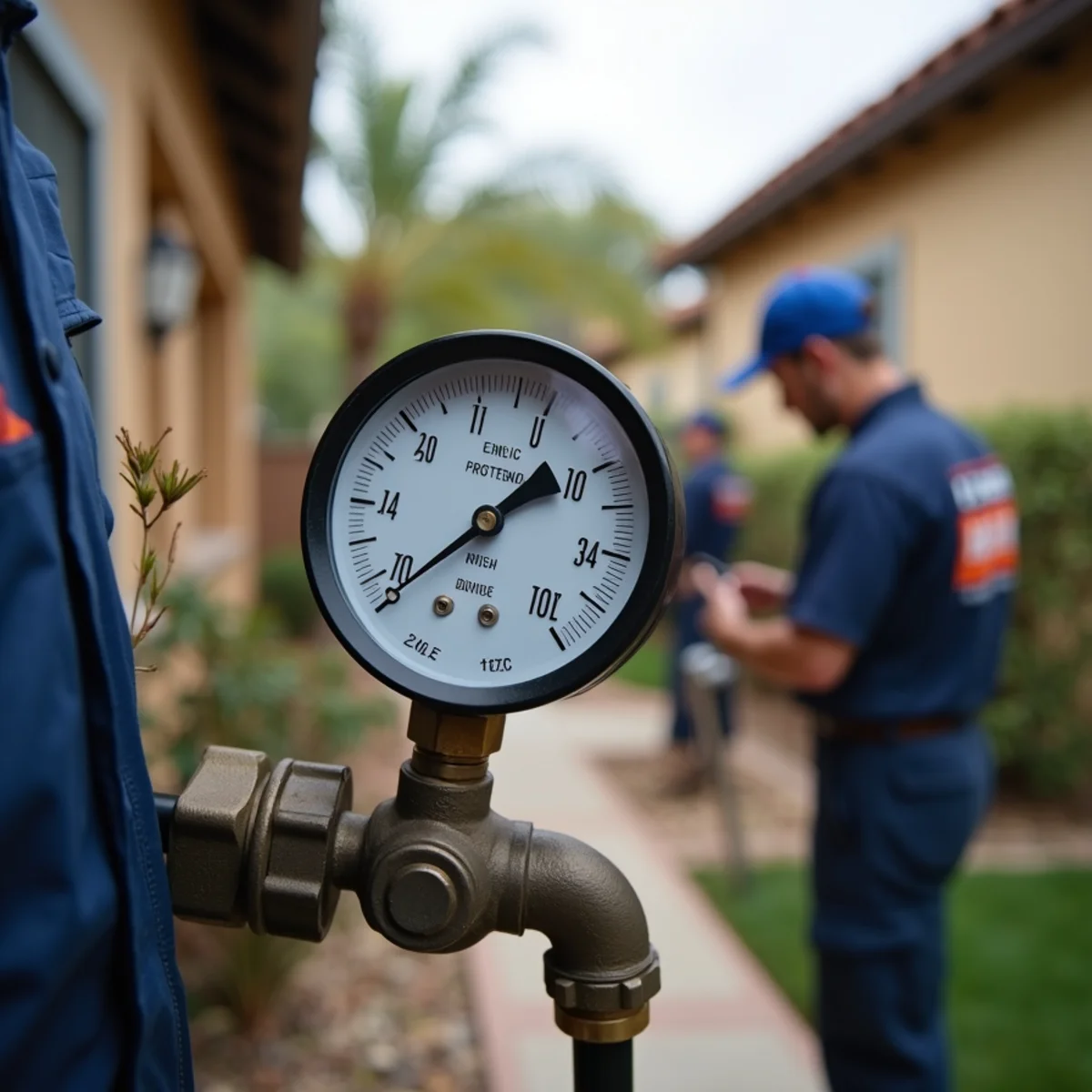
5. Check pressure with a gauge (2 minutes)
What to do: attach a $12 hardware-store pressure gauge to a hose bib. Read pressure with everything off.
What is normal: 55–75 PSI. Under 45 or over 85: get a plumber to inspect the pressure regulator.
Why: high pressure damages everything downstream. Low pressure signals corrosion or a valve issue.
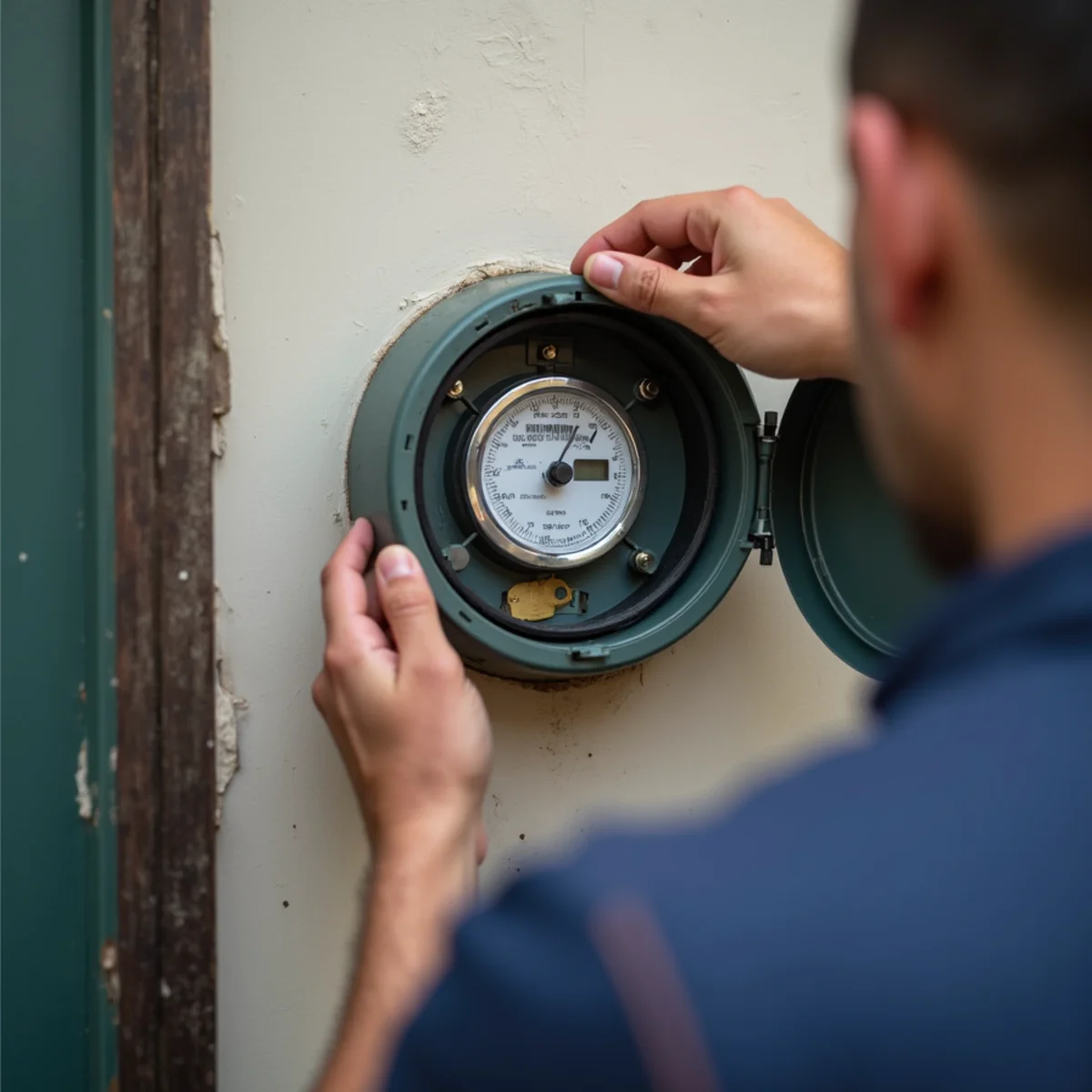
6. Meter leak test (12 minutes)
What to do:
- Shut every fixture and appliance
- Read the water meter (usually at the curb)
- Wait 10 minutes without using any water
- Read the meter again
- Any movement = active leak somewhere
Why: early hidden leak detection turns a $600 repair into a $2,500+ repair.
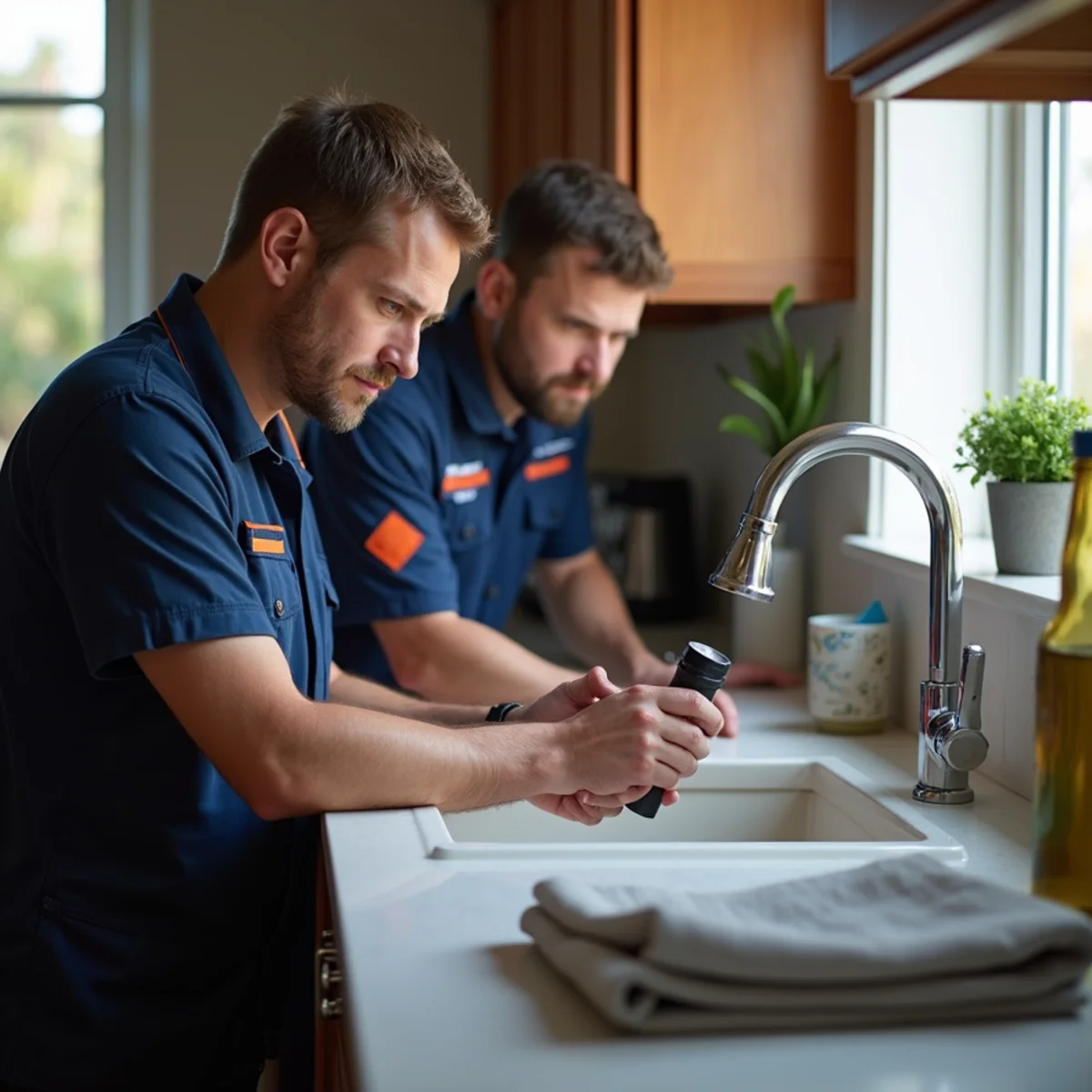
7. Look under every sink and around every water-using appliance (10 minutes)
What to do: flashlight under sinks, behind dishwasher, behind refrigerator (if plumbed for ice/water), behind washing machine, around water heater. Look for water stains, corrosion, softening cabinet floors, or musty smell.
Why: slow leaks compound. Catching them at the "small stain" stage saves cabinet replacement.
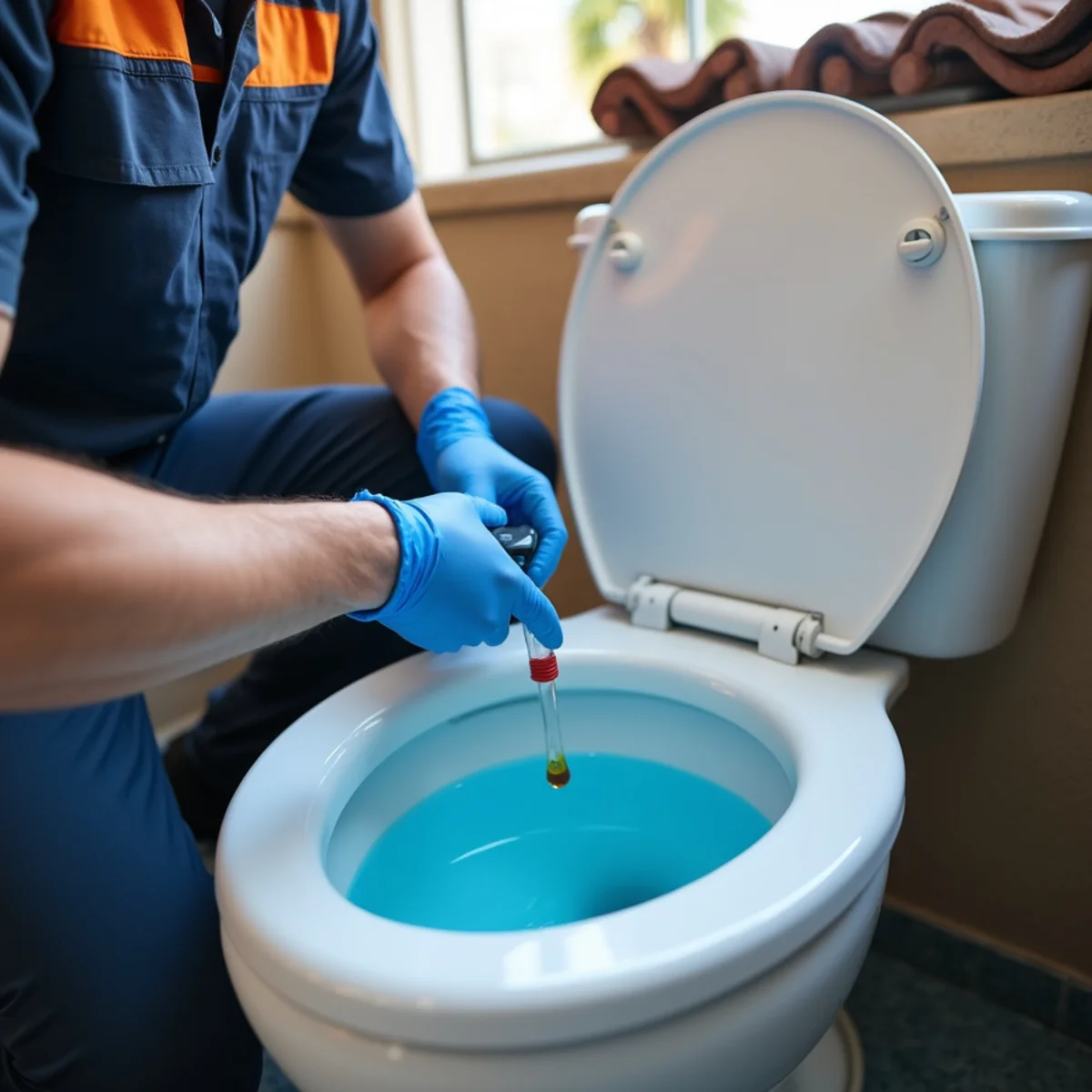
8. Toilet tank drop test (5 minutes per toilet)
What to do: drop a few drops of food coloring in each toilet tank. Wait 15 minutes without flushing. If color appears in the bowl, the flapper is leaking.
Why: a leaking flapper wastes 50–200 gallons per day silently. A $12 flapper is the whole fix.
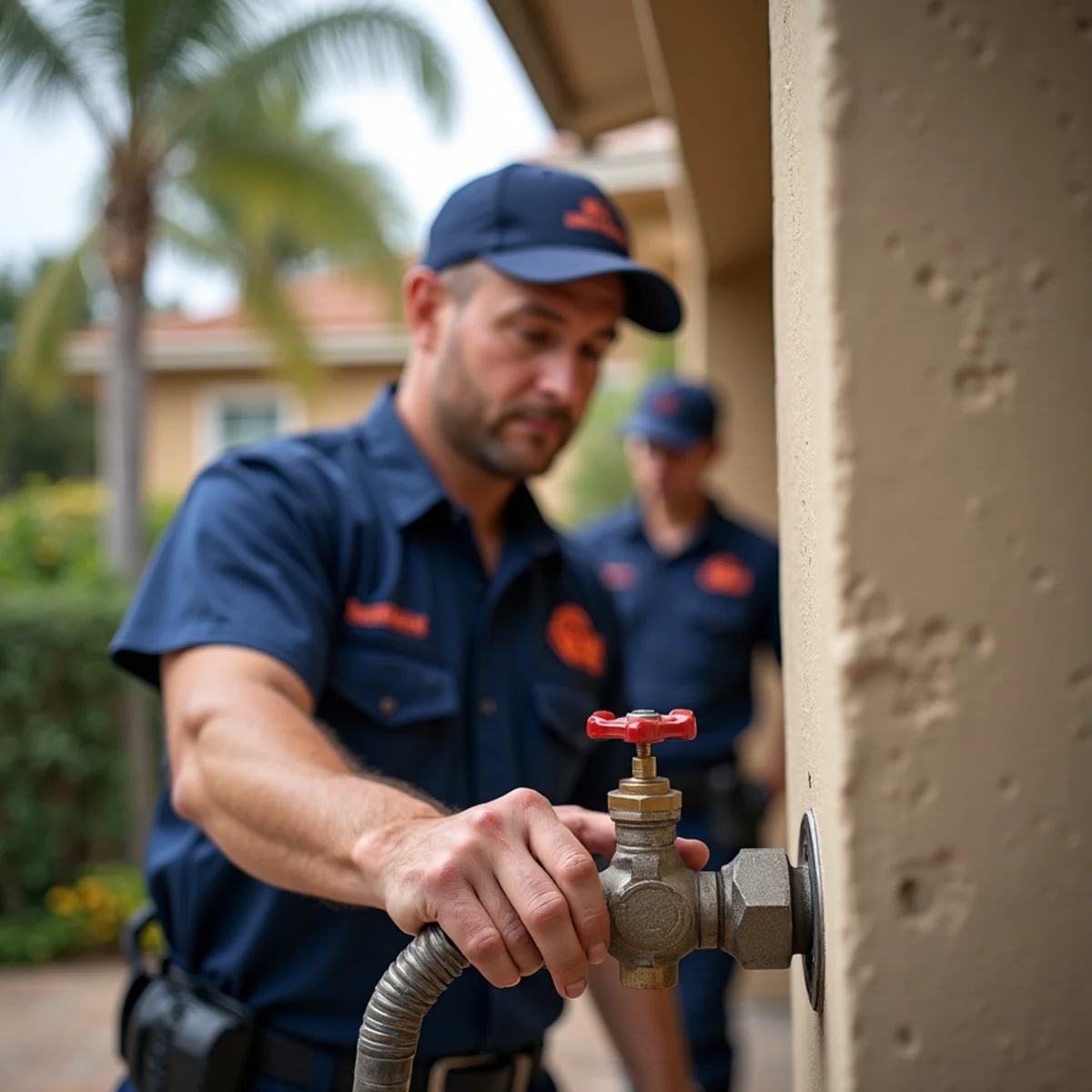
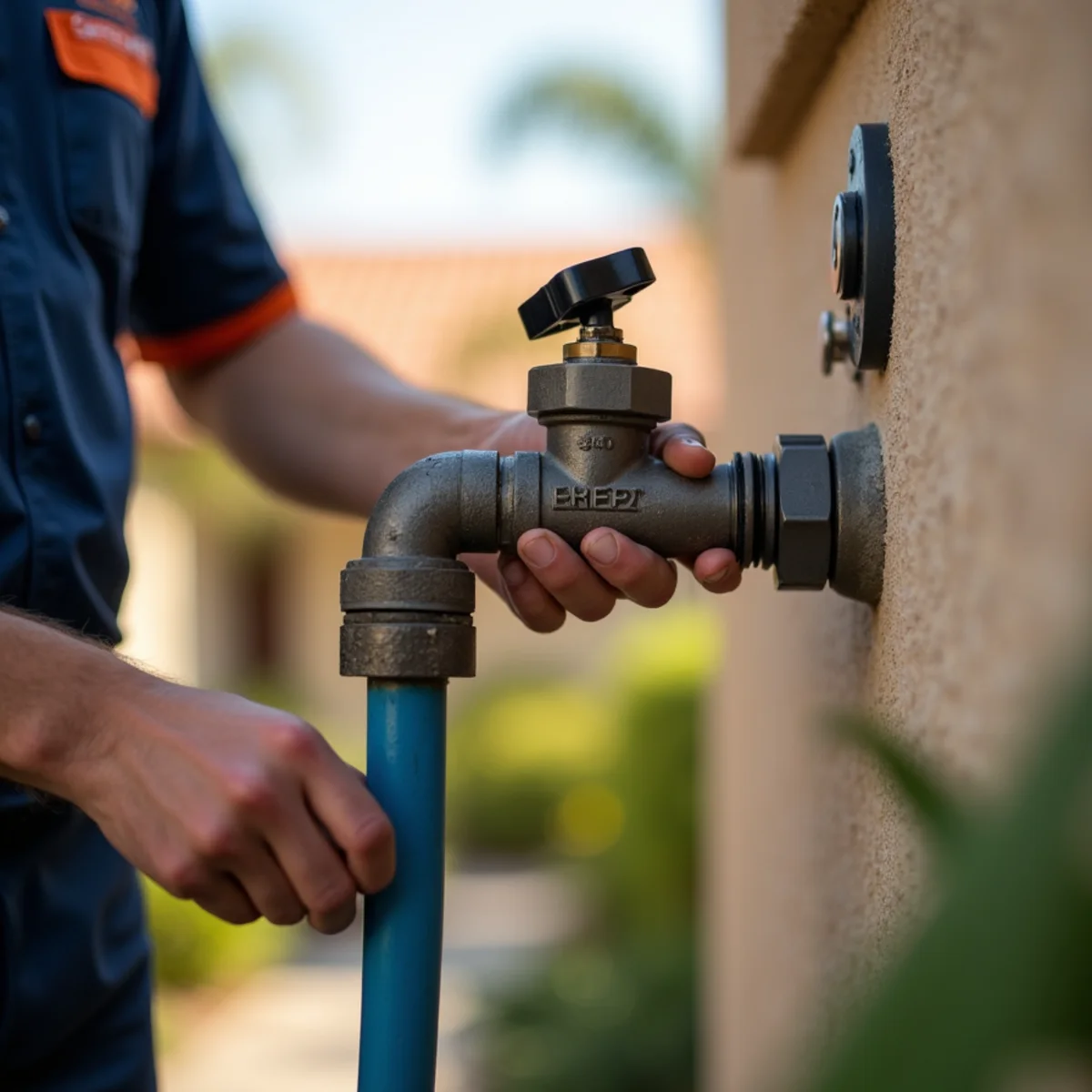
9. Exterior hose bib inspection (5 minutes)
What to do: check each exterior hose bib for drips when off. Check that the anti-siphon (if present) is not corroded.
Why: dripping hose bibs waste water and the surrounding wood or stucco rots. Corroded anti-siphons are code issues at resale.
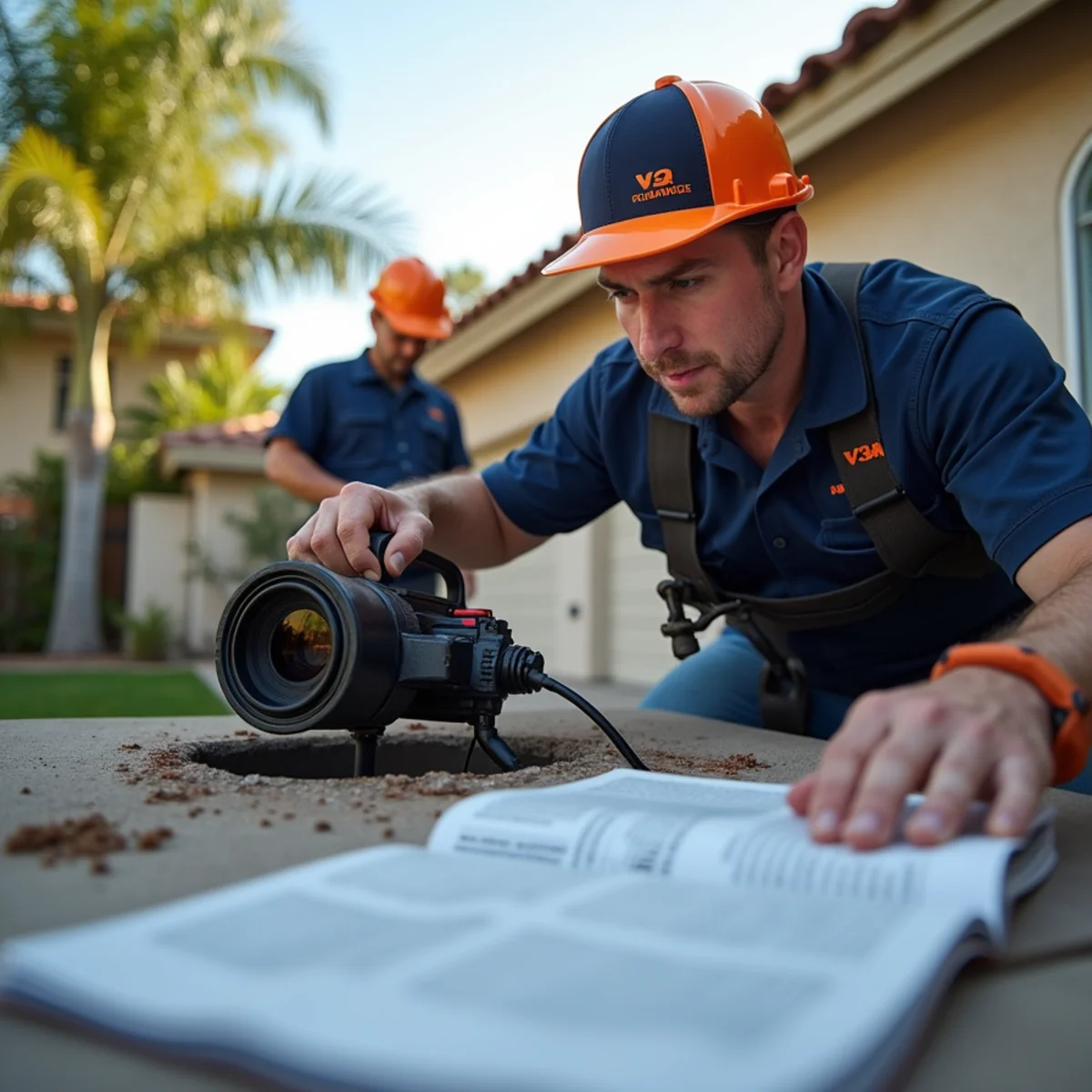
10. Camera the sewer lateral (every 5 years, not annual)
What to do: professional camera inspection of the lateral from cleanout to city main.
Why: early detection of root intrusion, joint offset, or Orangeburg failure prevents the Category 3 sewage backup event.
Cost: $150–$350 standalone, or included with any sewer repair estimate.
Prioritization for older South Bay homes
If you only do 3 things a year, do these:
- Water heater flush
- Meter leak test
- Test the main shutoff
If you can add 2 more:
- Aerator descaling
- Under-sink leak check
Everything else is bonus, but they add up. An hour a year saves multiple thousand-dollar surprises over a decade.
When to hand off to a plumber
- Any seized shutoff you cannot free
- Any leak you find
- Any pressure reading outside 55–75 PSI
- Any recurring drain slowness
- Any water heater over 10 years old
- Any home over 40 years old that has not had a sewer camera in 5+ years
Call (831) 290-4327 for annual maintenance visits — flat-rate, no surprises, covers items 1–9 in one visit.
More on the drain cleaning and water heater service pages.