
Rank the causes, then check them in order
We get called for "low pressure" a lot. Almost every time, the cause is one of these seven — and we can save you a service visit by helping you check the easy ones first.
1. Clogged faucet aerator or shower head (most common by far)
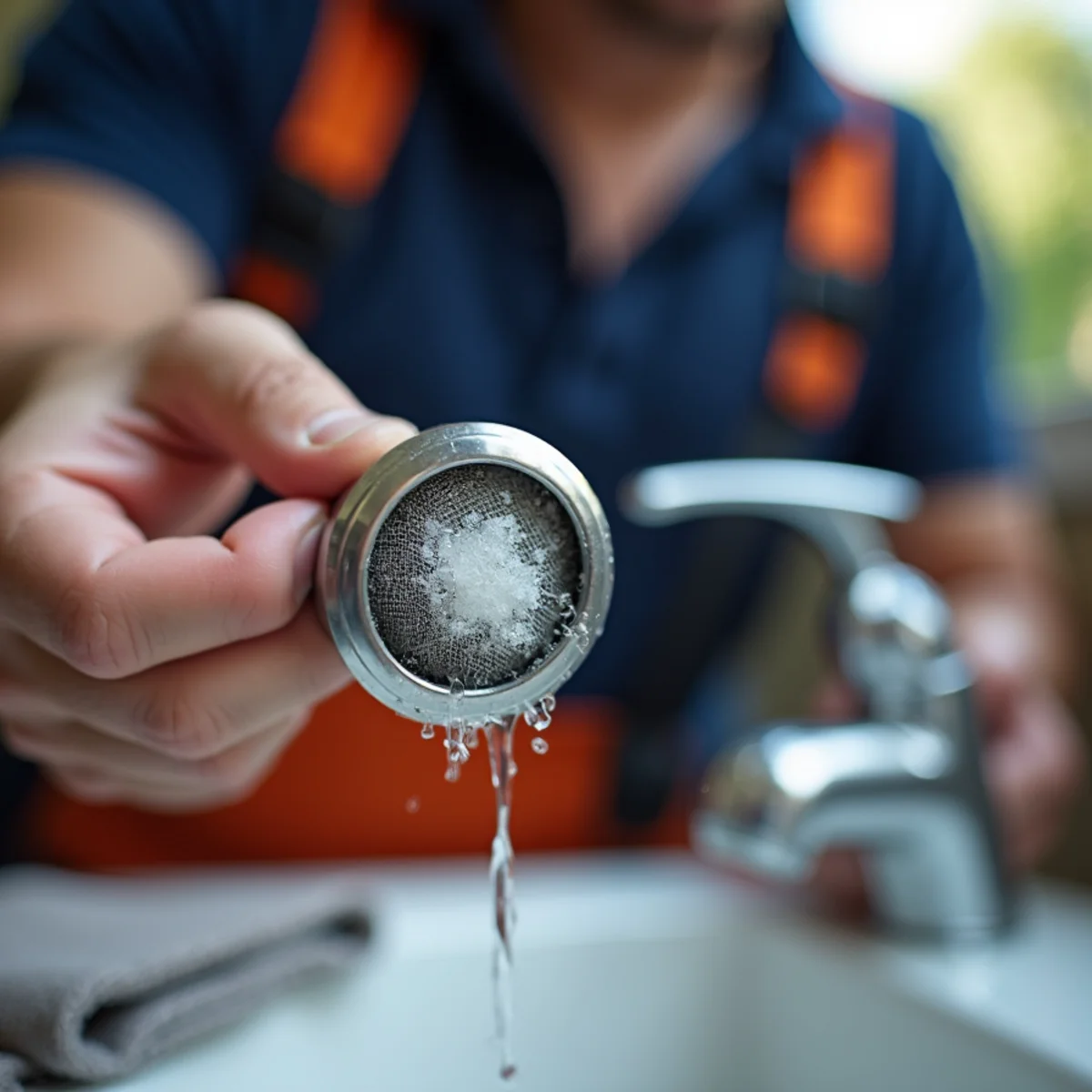
Test: unscrew the aerator on the affected faucet. Is the mesh screen full of white/green scale? Is water pressure strong with the aerator off?
Fix: soak in vinegar for an hour, or replace ($5–$15). Same for shower heads — descale or replace.
Why this happens in Lemon Grove and National City: Sweetwater hard water deposits calcium carbonate on any restrictor. Aerators clog within 6–18 months.
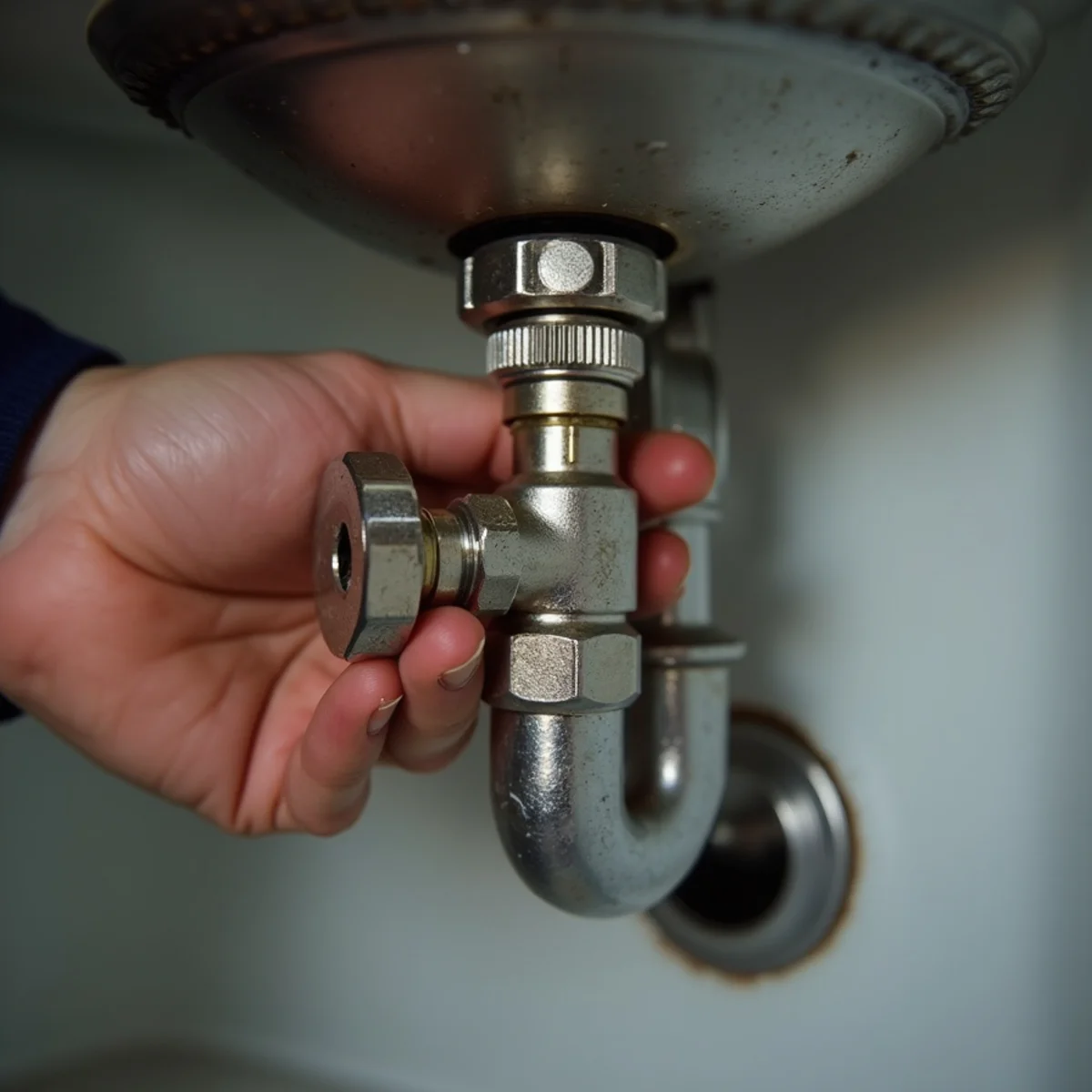
2. Half-closed shutoff valve
Test: trace the water line back — under the sink, at the water heater, at the main. Is any valve partially closed?
Fix: open the valve fully. If it will not open (seized), a plumber replaces it — but the pressure problem is solved.
Why this happens: someone worked on the plumbing years ago, closed a valve to isolate, and never fully reopened it.
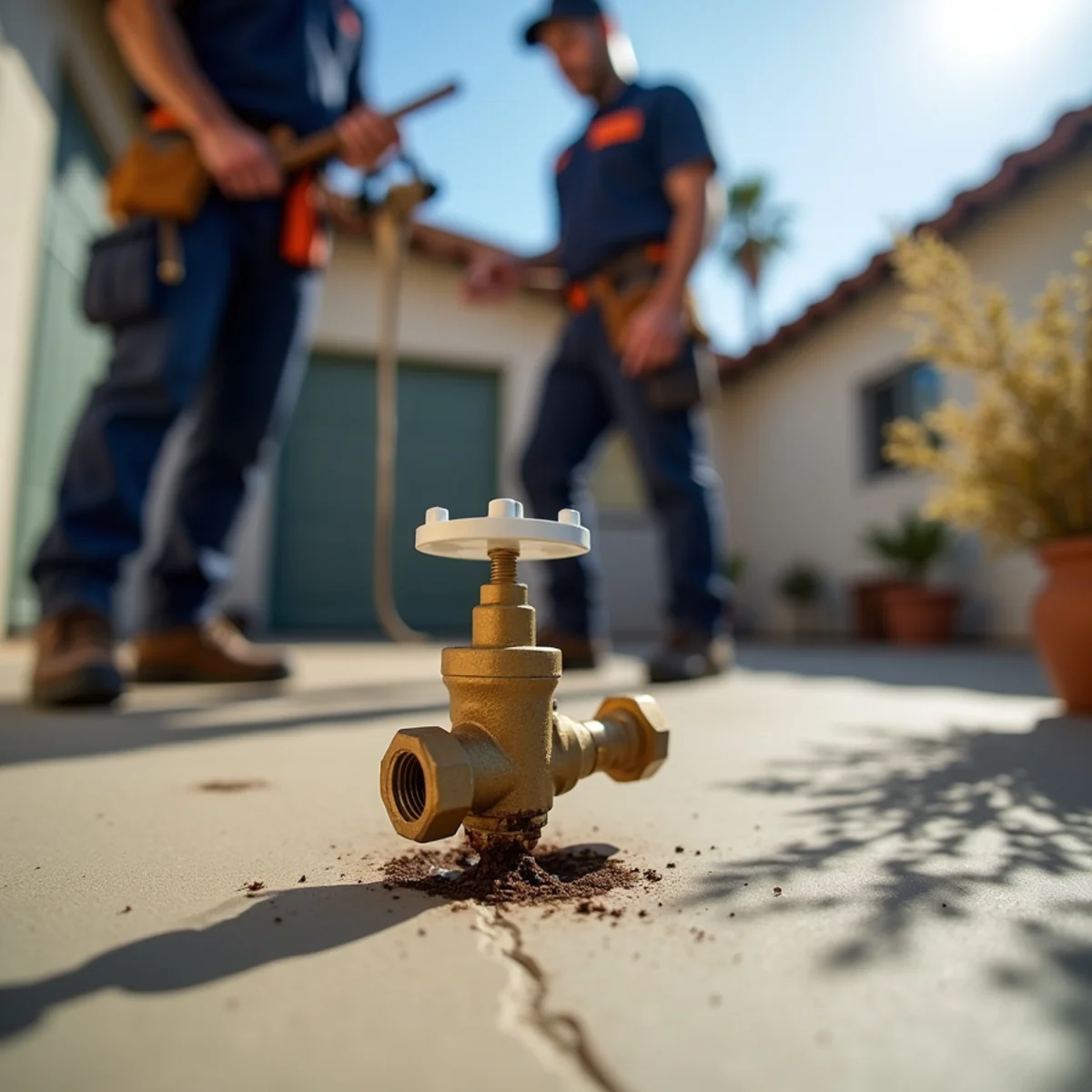
3. Failed pressure regulator (PRV)
Test: attach a pressure gauge to a hose bib (get one at any hardware store for $12). Read pressure with no fixtures running. Normal: 55–75 PSI. Low: under 45 PSI at the bib. Very high: over 85 PSI.
Fix: a plumber replaces the PRV. $350–$650 installed. On homes built after 1985 with a check valve on the main, an expansion tank should be added or verified at the same time.
Why this happens: PRVs wear out. Typical service life 10–15 years. Many South Bay homes have original units well past prime.
4. Corroded galvanized supply pipe (very common on pre-1970 homes)
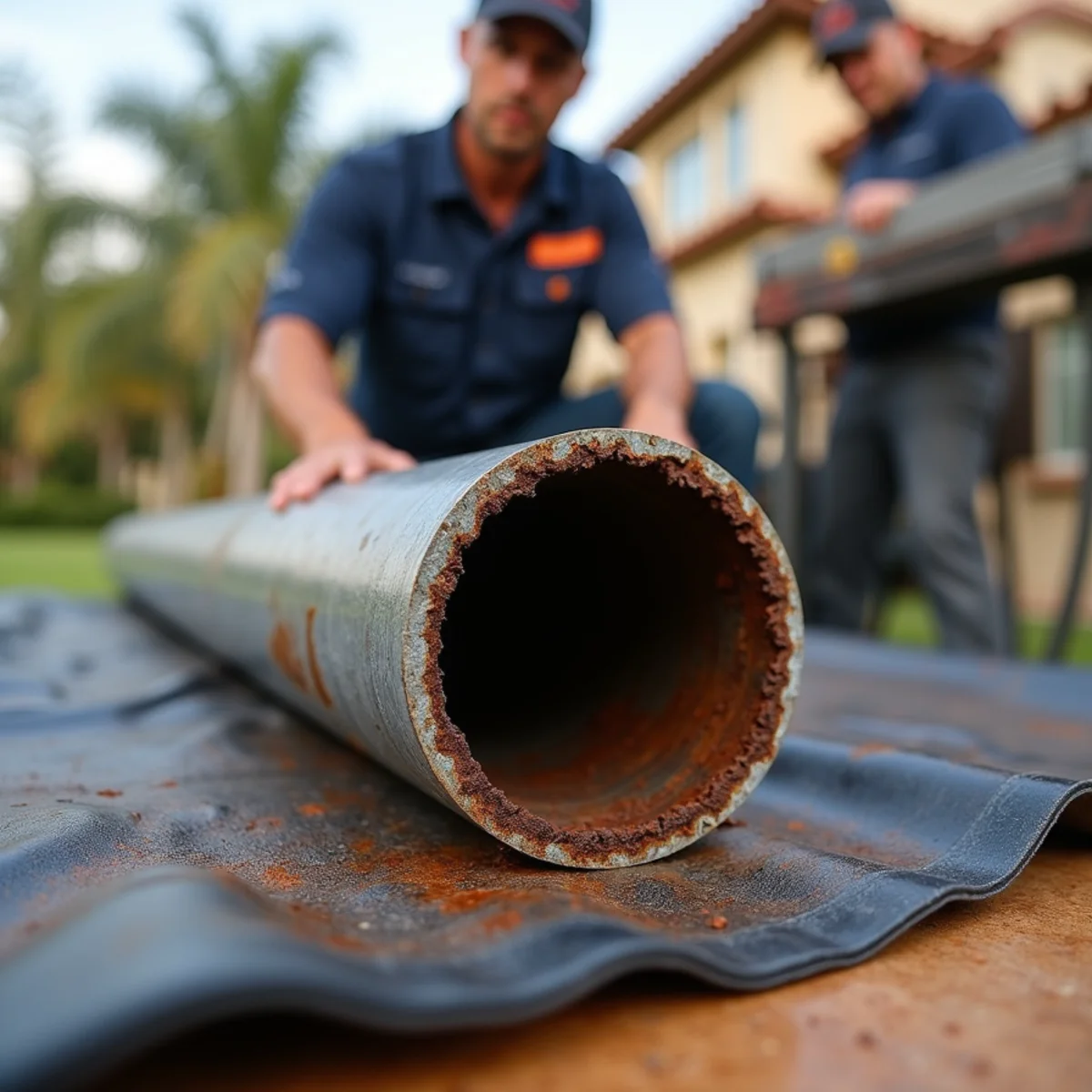
Test: does the pressure problem affect the whole house, or just one fixture? Does it affect both hot and cold, or just one? Whole-house on both sides = galvanized corrosion is very likely. Old galvanized has a rough, rusty interior that reduces flow dramatically.
Fix: whole-house repipe with PEX or copper. See our galvanized replacement post for the full story.
Why this happens: original galvanized in South Bay homes is at year 55–75 of a 40-year design life. Interior scale reduces a 3/4" pipe to effectively 3/8" flow.
5. Hidden leak (if pressure dropped suddenly)
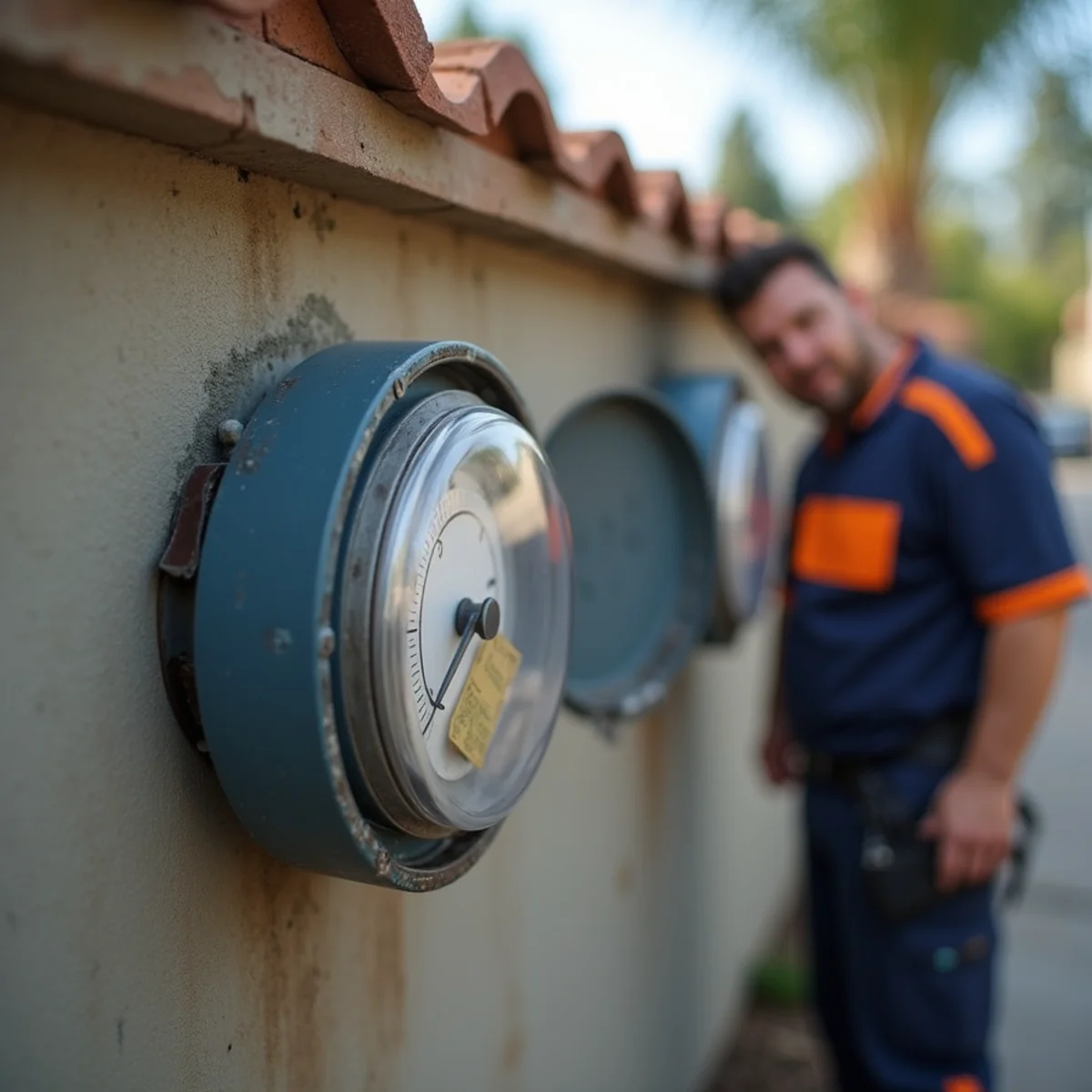
Test: shut every fixture in the house. Watch the water meter. Any movement = active leak on the customer side.
Fix: leak detection — acoustic and thermal to pinpoint. Then repair.
Why this happens: a hidden leak drops pressure system-wide when it opens up, especially on the smaller service lines.
6. Municipal side / neighborhood pressure issues
Test: call Sweetwater Authority (or your provider) and ask if there are pressure notices in your area. Ask your neighbor if their pressure is low too.
Fix: if it is on the utility side, you wait. Pressure typically returns within hours to a day.
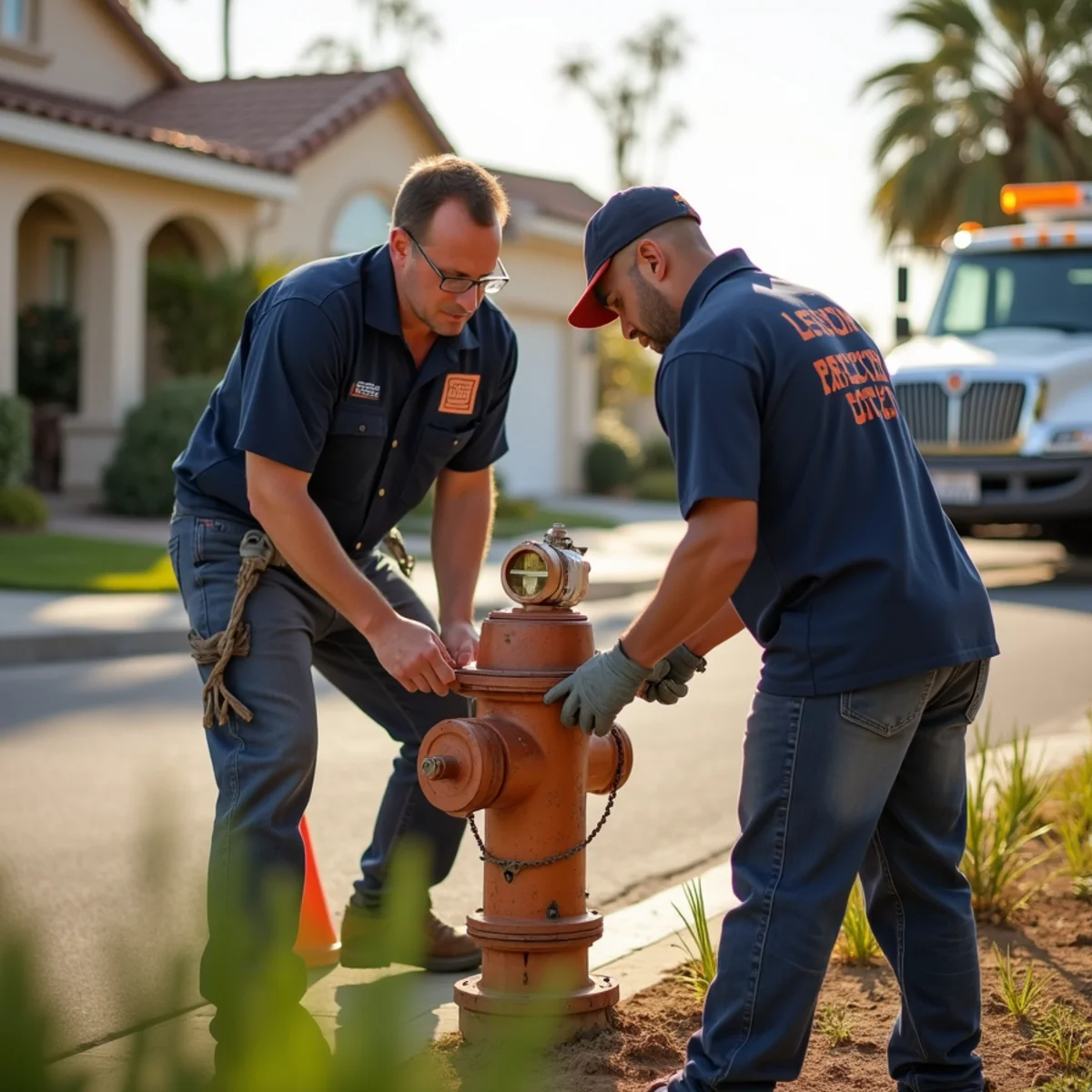
Why this happens: water main maintenance, hydrant flow tests, fire department use, or system pressure changes upstream.
7. Water heater sediment (hot-side only pressure loss)
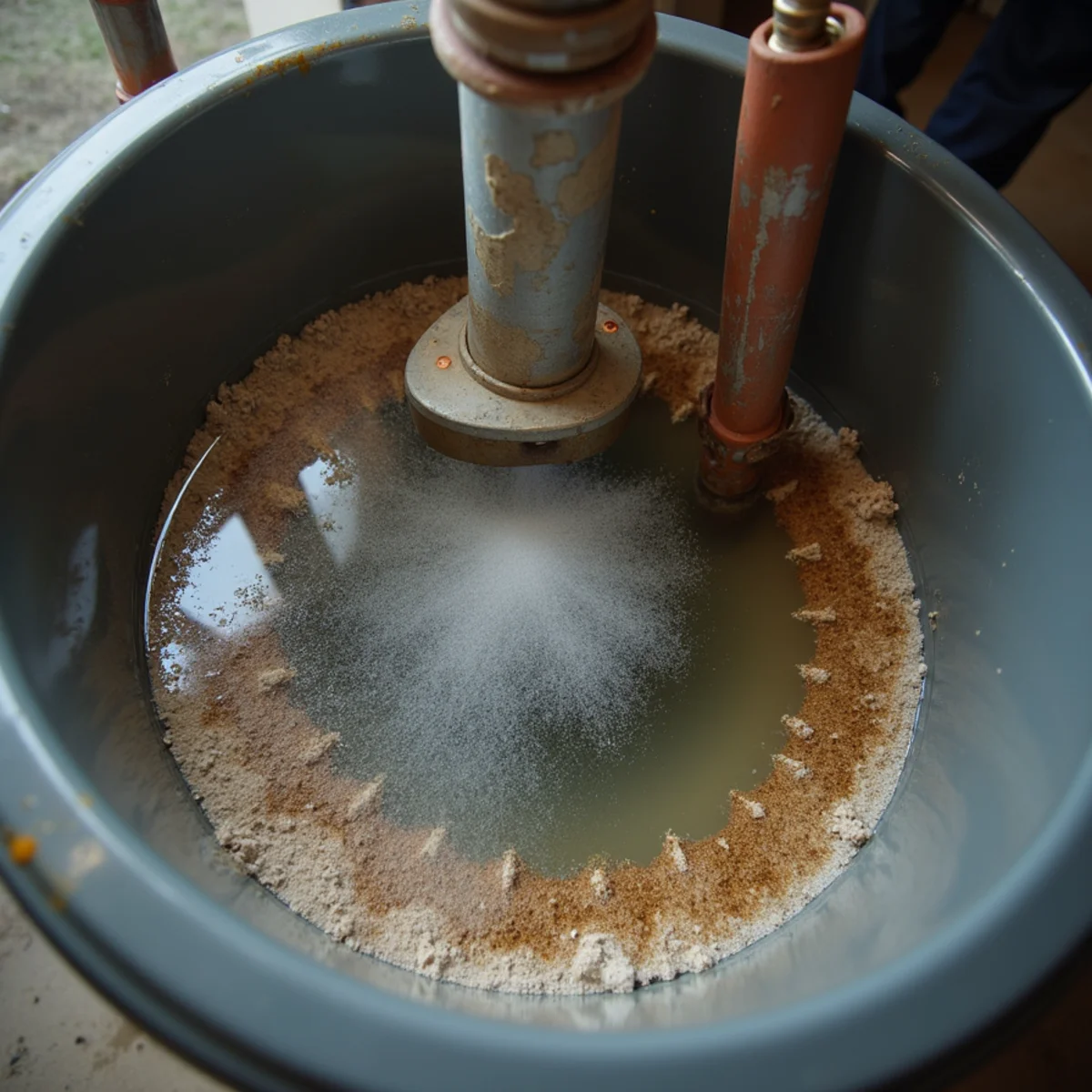
Test: if pressure is normal cold and low hot, the water heater is the suspect. Sediment in the tank restricts hot water outflow.
Fix: flush the tank. If the flush does not restore pressure, the tank is heavily sedimented and near end of life — see water heater repair vs replace.
Why this happens: Sweetwater's hard water deposits scale on the tank bottom. Over years, the scale builds up and reduces both efficiency and flow.
Which of these should you rule out yourself?
Aerators, shutoffs, and the meter test for a hidden leak. Anyone can do these with hardware-store equipment.
For a pressure gauge test, hose bib readings under 45 PSI point to a PRV or a service-line issue. Over 85 PSI is a different problem — chronic high pressure damages fixtures, water heaters, and appliances. Get a PRV inspected.
For anything below the meter or inside a wall, call us. Live dispatch at (831) 290-4327.
The uncomfortable answer for pre-1970 homes
If you have ruled out aerators, shutoffs, PRV, and leaks — and the whole house has low pressure on both hot and cold — you almost certainly have corroded galvanized supply pipe. The repair options are limited. Spot repairs move the failure to the next weakest section. The right long-term fix is a whole-house repipe.
That is not a fun conversation but it is the truth. We give free written estimates on-site.