Water heaters rarely surprise you
The mythology of a water heater is that it "just fails one day." In our experience it almost never happens that way. Failing tanks give warning — usually weeks of warning — before the tank body actually ruptures.
Learning to read the signs turns a potential $8,000 flood-and-replace event into a scheduled $2,200 same-day swap.
Here are the five signs, in order of urgency.
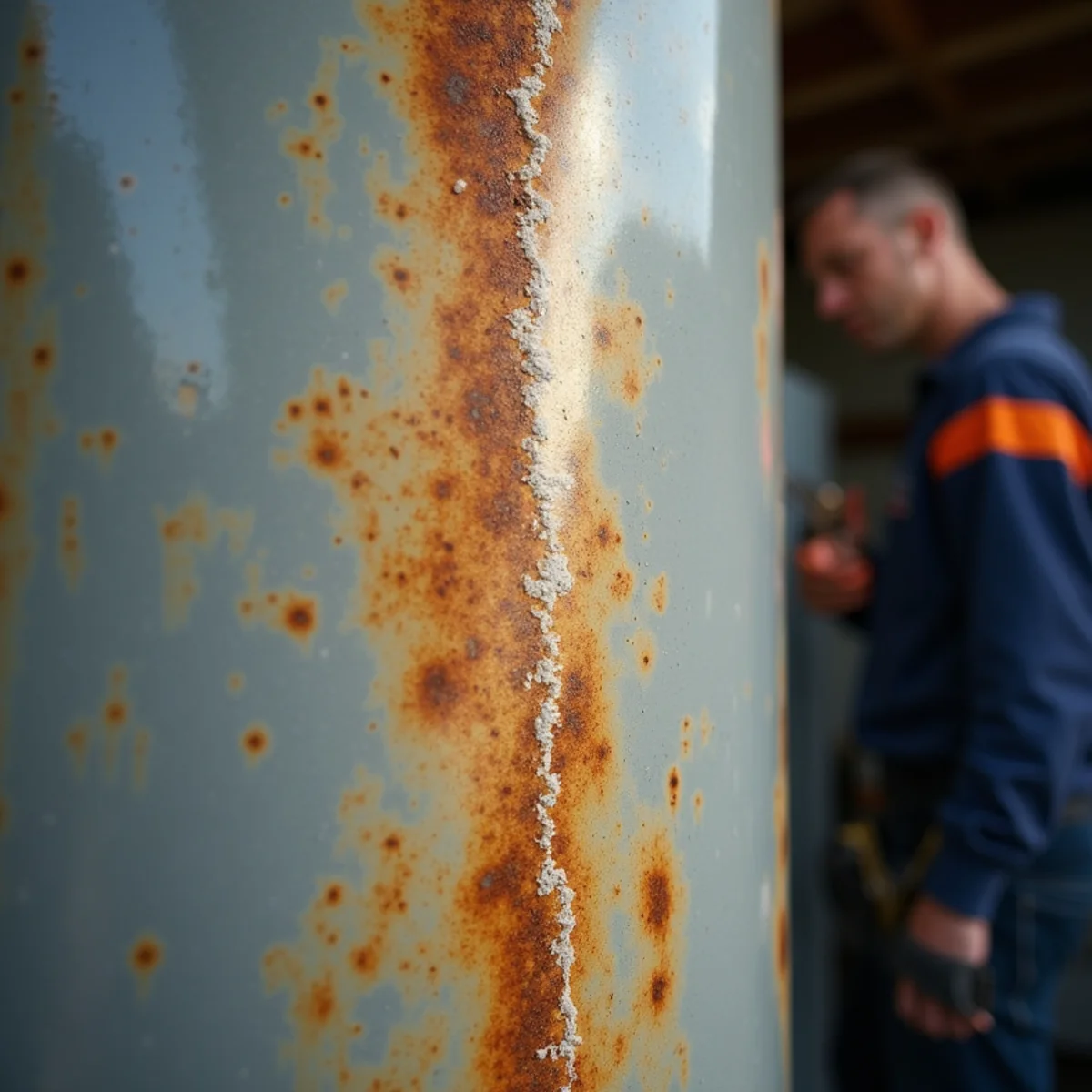
Sign 1: Rust streaks running down the outside of the tank (weeks to days until failure)
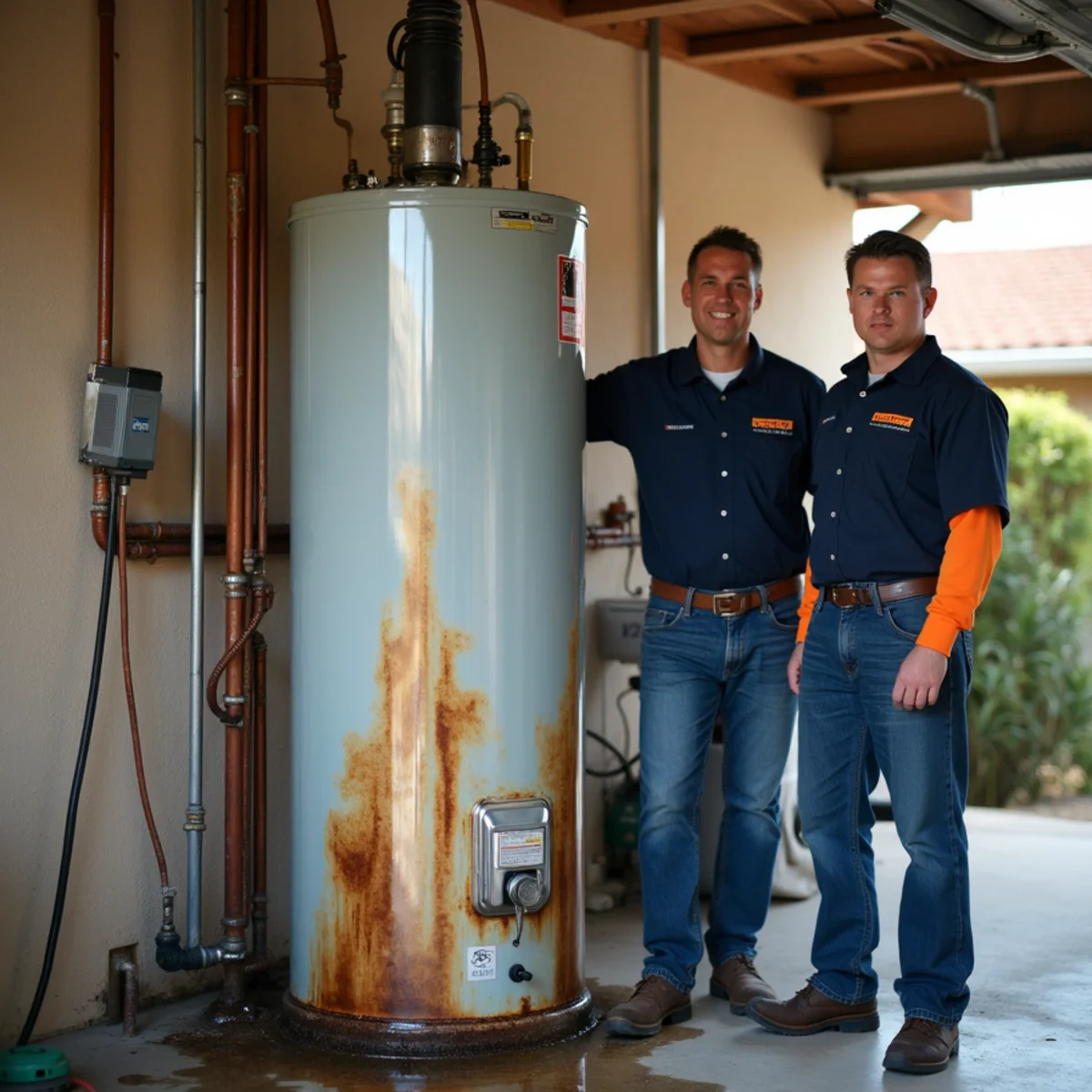
What it looks like: a red-brown streak, sometimes with white mineral crust, running from a seam or fitting down the side of the tank.
What it means: the tank steel is rusting from the inside and the corrosion has now breached the wall enough that water is seeping out and evaporating on the exterior, leaving mineral and rust residue behind. This is not a fitting leak — this is the tank itself failing.
How much time you have: days to weeks. Do not schedule for next month. This is a call-this-week situation.
What to do: call for a same-day water heater replacement quote. There is no repair for a tank leaking from its body.
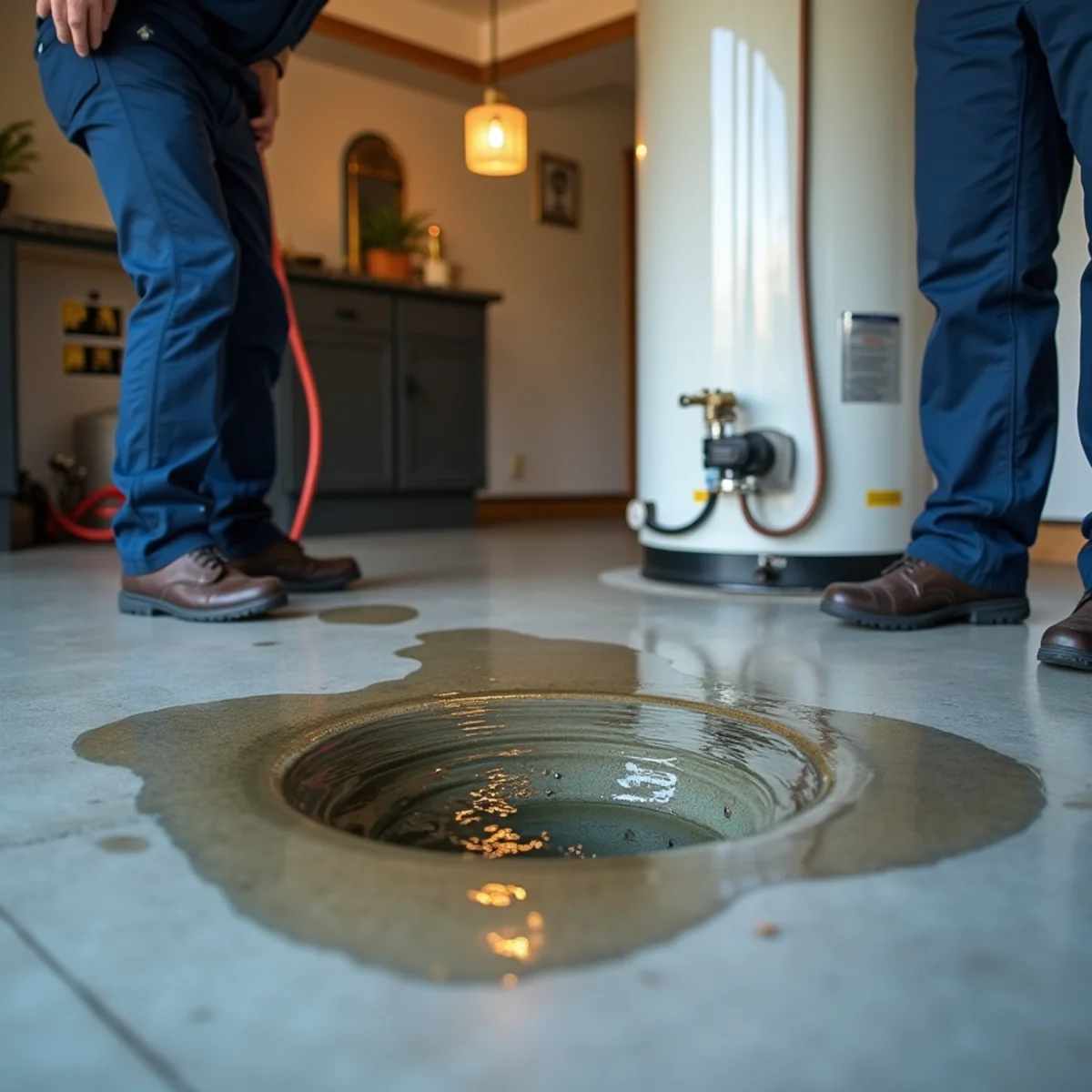
Sign 2: Standing water around the base of the tank (leak in progress)
What it looks like: puddling on the drain pan or the garage floor.
What it means: the tank is leaking now. Sometimes the source is a fitting on top (repairable). Sometimes it is the tank body (not repairable).
How much time you have: hours to days. The leak will grow.
What to do: shut the cold-water inlet at the top of the tank. Shut gas or breaker. Call (831) 290-4327 for same-day service.
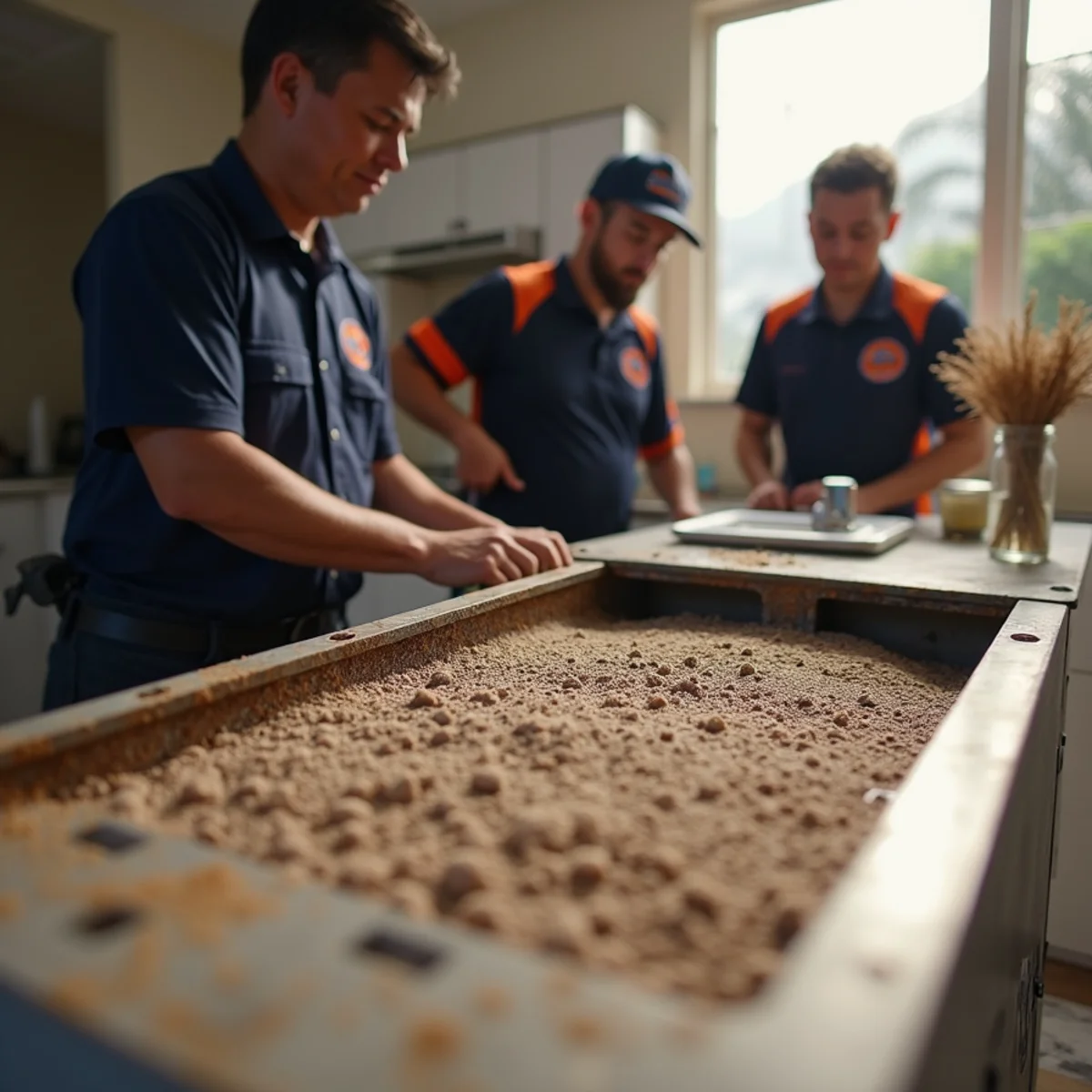
Sign 3: Rumbling, popping, or knocking sounds during heating (months to a year until failure)
What it looks like: distinctive noises when the burner or element is cycling — a low rumble, a popping sound, sometimes a knocking.
What it means: heavy sediment on the bottom of the tank is trapping small pockets of water that heat and violently expand. The sediment is insulating the burner from the water, forcing the steel to work harder. Tank life is being actively shortened.
How much time you have: if you flush the tank now, you can extend life by 1–3 years. If you ignore, expect failure within 6–18 months.
What to do: flush the tank (see our maintenance checklist). If it is over 8 years old, get a replacement quote for planning purposes.
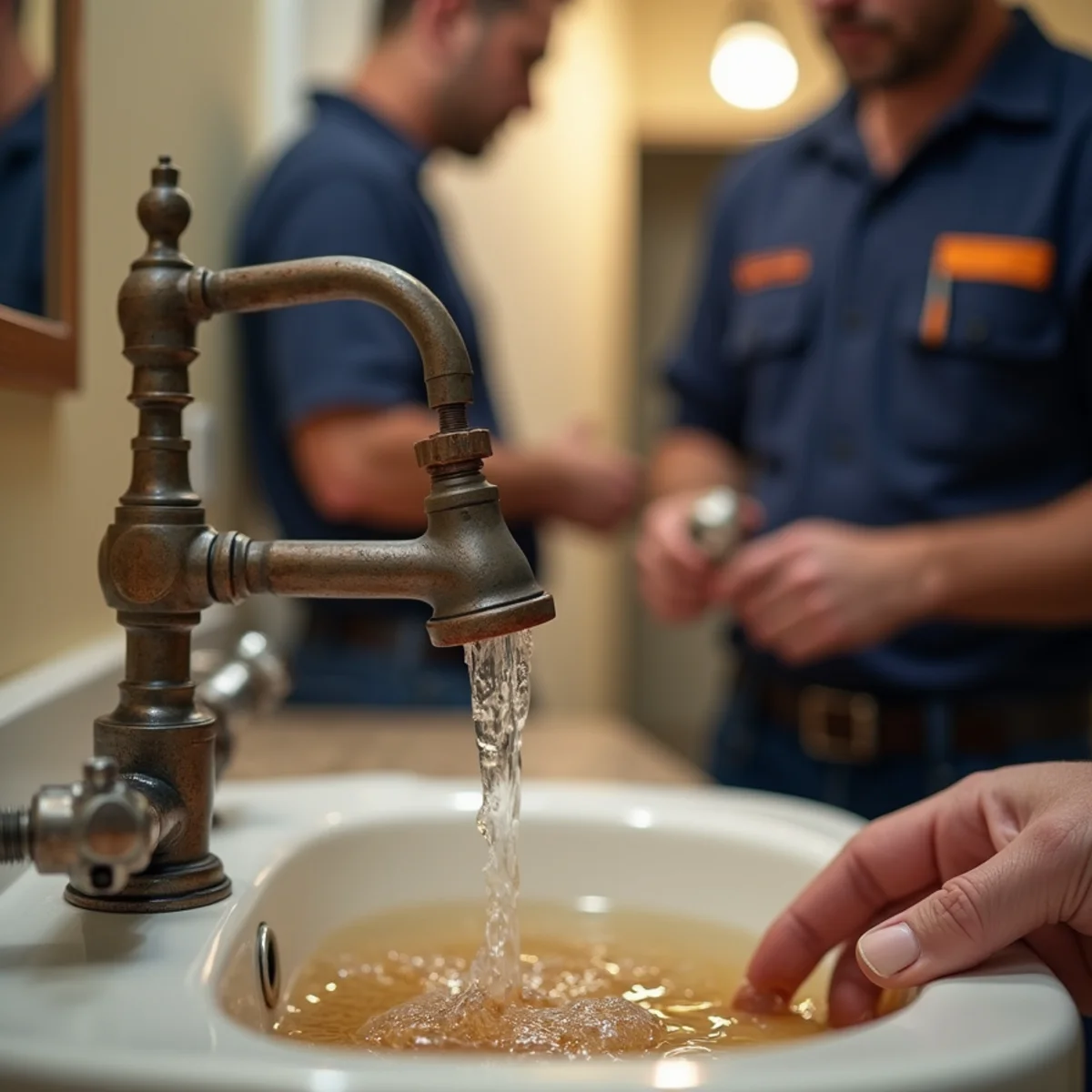
Sign 4: Rusty or discolored hot water (months until major failure)
What it looks like: first draws of hot water in the morning come out with a red-brown tint. Clears after 30 seconds. Cold water is clear.
What it means: the tank interior is rusting. The anode rod (the sacrificial metal rod inside the tank) is exhausted, so the tank steel itself is now corroding. Sediment and rust particles collect at the bottom and stir up when hot water is drawn.
How much time you have: 3–12 months typically, depending on how far advanced the corrosion is. Once you see rust in the water, the tank is well into its final chapter.
What to do: if the tank is under 7 years old, replace the anode rod (a $180–$280 service call) to extend life. If it is over 8 years old, plan replacement in the next 6 months.
Sign 5: Tank is 10+ years old (planning window)
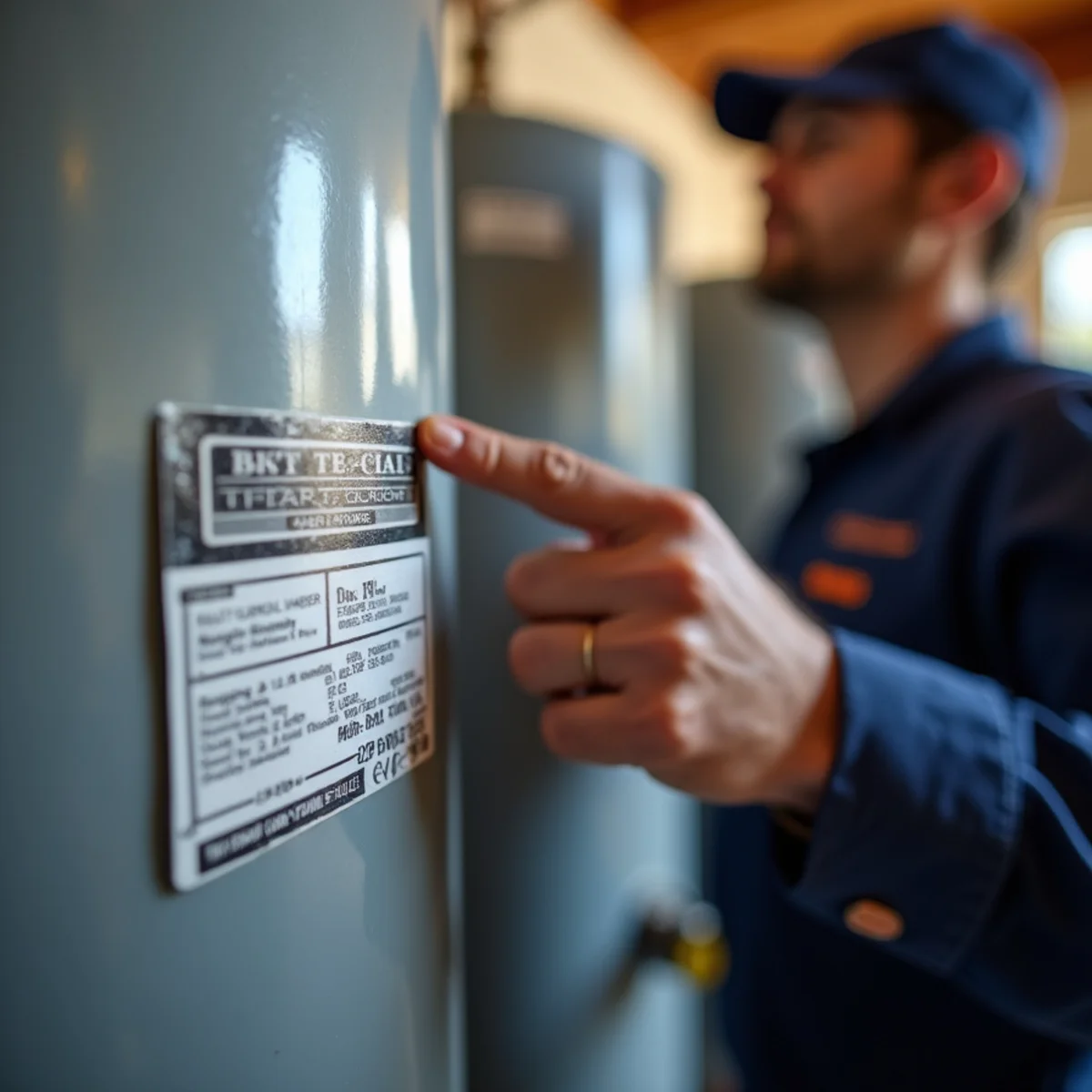
What it looks like: check the serial number on the manufacturer label. Most brands encode date of manufacture in the first four digits.
What it means: average tank life in Sweetwater's hard water is 8–12 years. Once you are past 10, you are on borrowed time. Any of signs 1–4 becomes much more likely.
How much time you have: could be anywhere from months to another few years. But the odds are not in your favor.
What to do: stop deferring the decision. Get a replacement quote so you know what your options are. Schedule a proactive replacement before the tank fails on its own.
The proactive replacement advantage
Proactive replacement (you decide when) costs:
- $2,000–$2,700 for a standard 40 or 50 gallon gas tank
- Done during normal business hours at your convenience
- No water damage
- No emergency dispatch fee
Reactive replacement (tank fails first) costs:
- Same $2,000–$2,700 for the tank
- Plus water damage cleanup ($500–$5,000+ depending on how much water got out)
- Plus after-hours dispatch fee if the failure is at night
- Plus insurance claim time and hassle
The difference is often thousands. Read the signs, then decide.
Bonus: what does NOT necessarily mean the tank is failing
- Longer heat recovery time — could be sediment (flush) or a failing element/thermostat (repair)
- Higher gas bill in winter — normal (cold inlet water needs more heating)
- TPR valve dripping — usually the TPR valve itself (cheap replacement) or expansion issue (needs expansion tank), not the tank
- Lower than expected hot water capacity — could be a dip tube failure (repair) or sediment (flush)
Do not assume every symptom is a death sentence. But do get an honest diagnosis. See the water heater repair vs replace decision here.
What we do differently on replacement
- Same-day service on standard 40/50 gallon tanks — El Cajon to Coronado
- All code updates included (expansion tank, seismic straps, drain pan, sediment trap, dielectric unions)
- Permit pulled and inspection scheduled
- Manufacturer warranty registered in your name
- 1-year labor warranty on the install
Call (831) 290-4327 for a real quote and a real ETA.